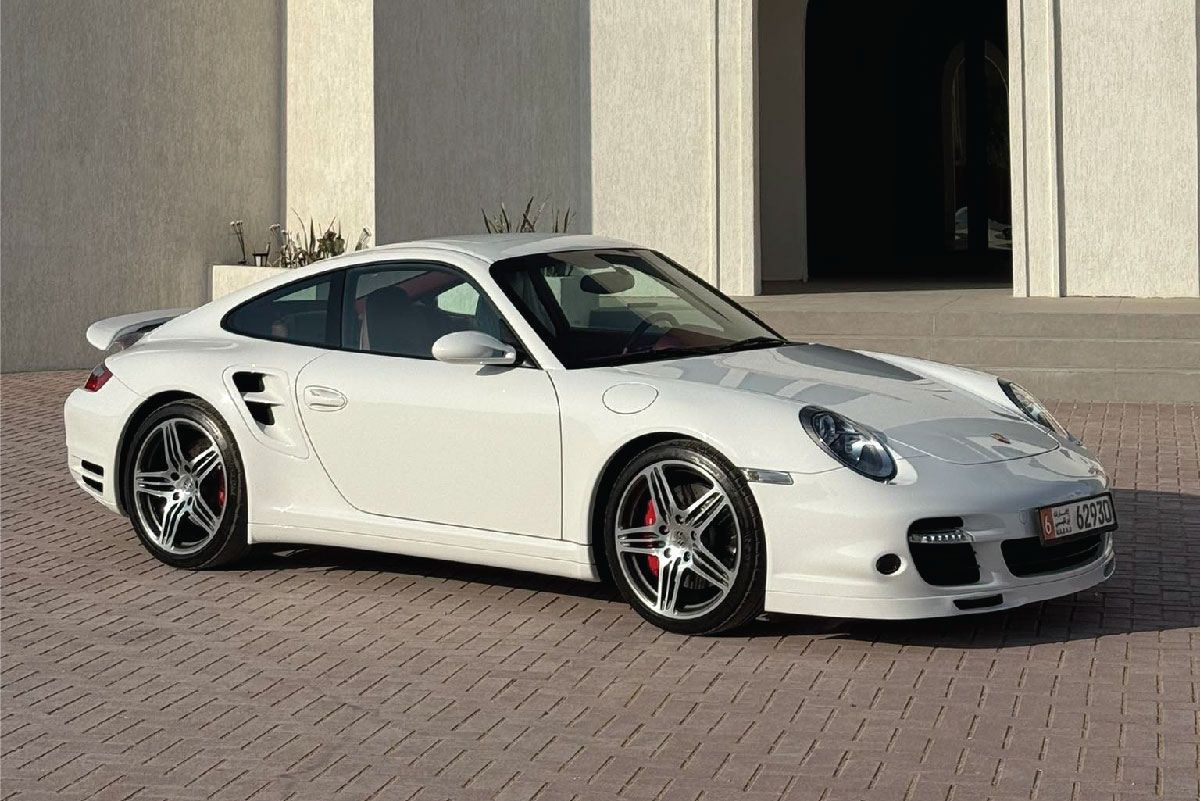
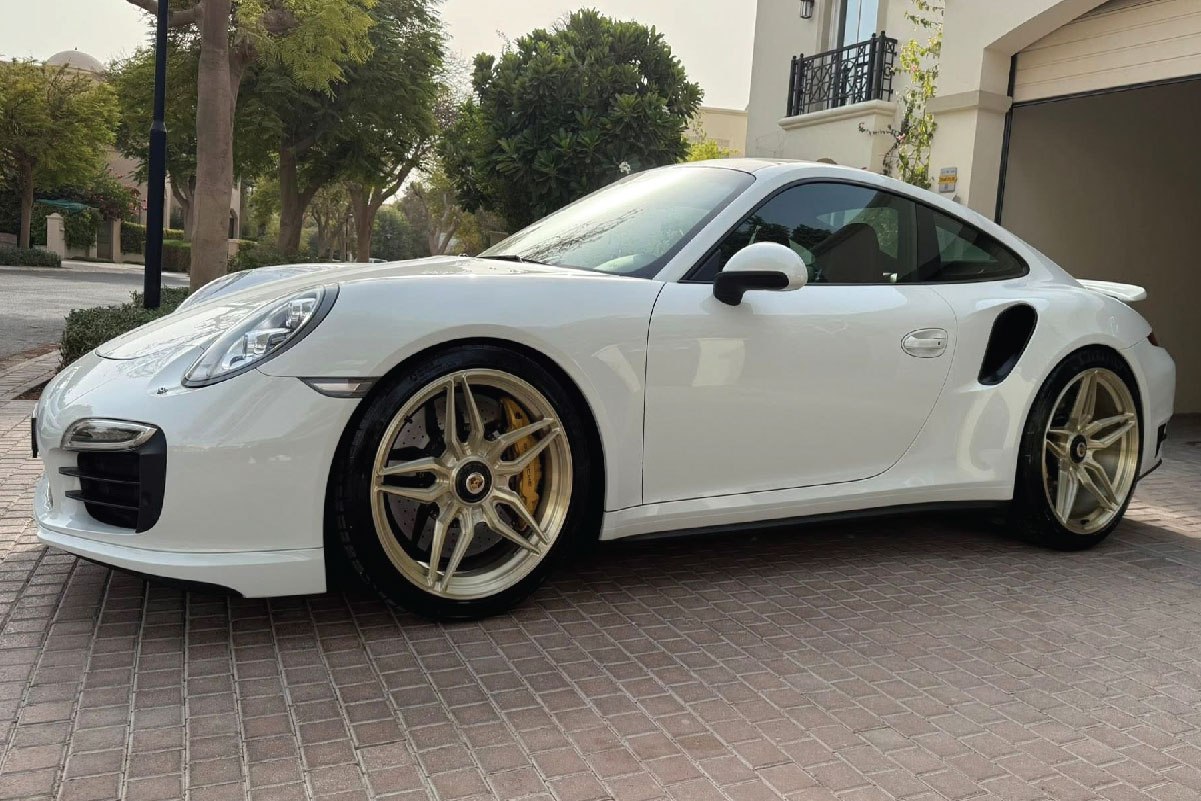
Choosing the most reliable Porsche 911 model year is one of the biggest questions buyers ask when stepping into the world of Porsche ownership. The 911 is famous for durability, engineering precision, and long-term build quality, but certain years stand out as exceptionally dependable. Whether you’re a first-time buyer or an enthusiast expanding your garage, understanding which model years offer the best combination of performance and reliability is essential. This guide explores the strongest years across air-cooled, early water-cooled, and modern 911 generations, helping you make an informed decision rooted in decades of Porsche engineering evolution.
Why Reliability Varies Across 911 Generations
Reliability in the 911 depends on several factors: engine type, cooling system, transmission choices, materials, electronics, and even emission regulations. Air-cooled cars rely on mechanical simplicity, while water-cooled cars incorporate more advanced tech that improves performance but introduces more points of failure. Porsche’s gradual refinement across generations means that some years benefit from major improvements, making them better long-term purchases. Understanding these historical shifts is key before choosing the best year.
The Most Reliable Air-Cooled Years: 1987–1989
Among all classic 911s, the 1987–1989 Carrera 3.2 models are widely regarded as benchmarks of reliability. The mechanical fuel injection system is extremely robust, the engine’s internal components are over-engineered, and the overall construction reflects Porsche’s golden era of build quality. These years also introduced the G50 gearbox, a smoother and stronger transmission that significantly improved driving feel and long-term durability. Collectors and daily-driving enthusiasts alike praise these cars for offering pure air-cooled character with unmatched dependability.
Drivers in regions with active collector communities—such as gatherings that inspire the Porsche 911 Community and meetups at Porsche Events Dubai—often gravitate toward these years when seeking a classic car that can be enjoyed rather than stored.
The Final Air-Cooled Models: 1995–1998 Porsche 993
The Porsche 993 generation is often considered the finest engineered air-cooled 911 ever built. Years 1995 through 1998 introduced thermal improvements, stronger engine blocks, better oil cooling, and refined electronics. The later years, especially 1997 and 1998, saw fewer widespread issues compared to early production. Reliability is one reason the 993 continues to command strong prices globally, including markets like Porsche 911 Dubai, where both air-cooled charm and modern practicality matter.
The Most Reliable Early Water-Cooled Years: 2006–2008 Porsche 997.1 (Post-Fix)
When Porsche transitioned to the water-cooled 996 generation, the early models suffered from IMS bearing issues and RMS leaks. While many 996s remain excellent cars, the 2006–2008 997.1 models represent a major improvement in engineering. While these still used the M96/M97 engines, Porsche implemented updated bearing designs, stronger internal components, and fewer manufacturing defects. For buyers wanting affordability with modern comfort, these later 997.1 models offer strong reliability when well maintained.
Modern Reliability Benchmark: 2009–2012 Porsche 997.2
The 997.2 generation is often hailed as the most reliable water-cooled Porsche 911 ever made. Porsche introduced the new MA1 engine, eliminating the IMS bearing entirely. The direct-injection flat-six is known to reach extremely high mileage with proper servicing. Electronics, PDK transmission systems, and cooling components were significantly refined. These years offer a near-perfect balance of timeless design, mechanical strength, and excellent everyday usability. For buyers seeking a car that can be driven daily without concern, these years stand at the top of the list.
The 2012–2016 Porsche 991.1: Strong but Tech-Heavy
The first version of the 991 brought lightweight aluminum construction, new suspension geometry, and improved stability. The engines remained naturally aspirated and well tested, but the car also introduced more electronics, steering enhancements, and computerized systems. Years 2014–2016 in particular are praised for better reliability than the earliest 991 models. These years provide modern comfort with fewer reported failures as Porsche refined early software and mechanical tolerances.
The Ultra-Reliable Modern Era: 2017–2019 Porsche 991.2
The 991.2 introduced twin-turbo engines across the lineup, and Porsche engineered them with extraordinary durability. Years 2017 through 2019 benefit from strengthened intercoolers, improved injection systems, updated turbo seals, and enhanced cooling flow. These cars are mechanically robust, technologically stable, and ideal for drivers who expect long-term worry-free ownership.
2020–2025 Porsche 992: New but Proven
The 992 generation is still relatively new, but early reliability data is excellent. Engines, PDK systems, and hybrid-ready architecture show minimal widespread issues. The build quality reflects Porsche’s modern manufacturing excellence, and owners appreciate how the 992 blends performance and comfort without sacrificing reliability. For a buyer seeking a modern machine with maximum lifespan ahead, any year of the 992—especially 2022 to 2025—is a smart choice.
Conclusion
The best year to buy a Porsche 911 for reliability depends on what you value: air-cooled heritage, classic analog driving, modern comfort, or advanced engineering. From the bulletproof 1987–1989 Carrera 3.2 to the impeccably engineered 997.2 and the robust 992, Porsche has produced reliable masterpieces across decades. Understanding these distinctions ensures you choose a model that fits your lifestyle, driving style, and long-term goals.
- Buying and Ownership Advice
- 07/12/2025