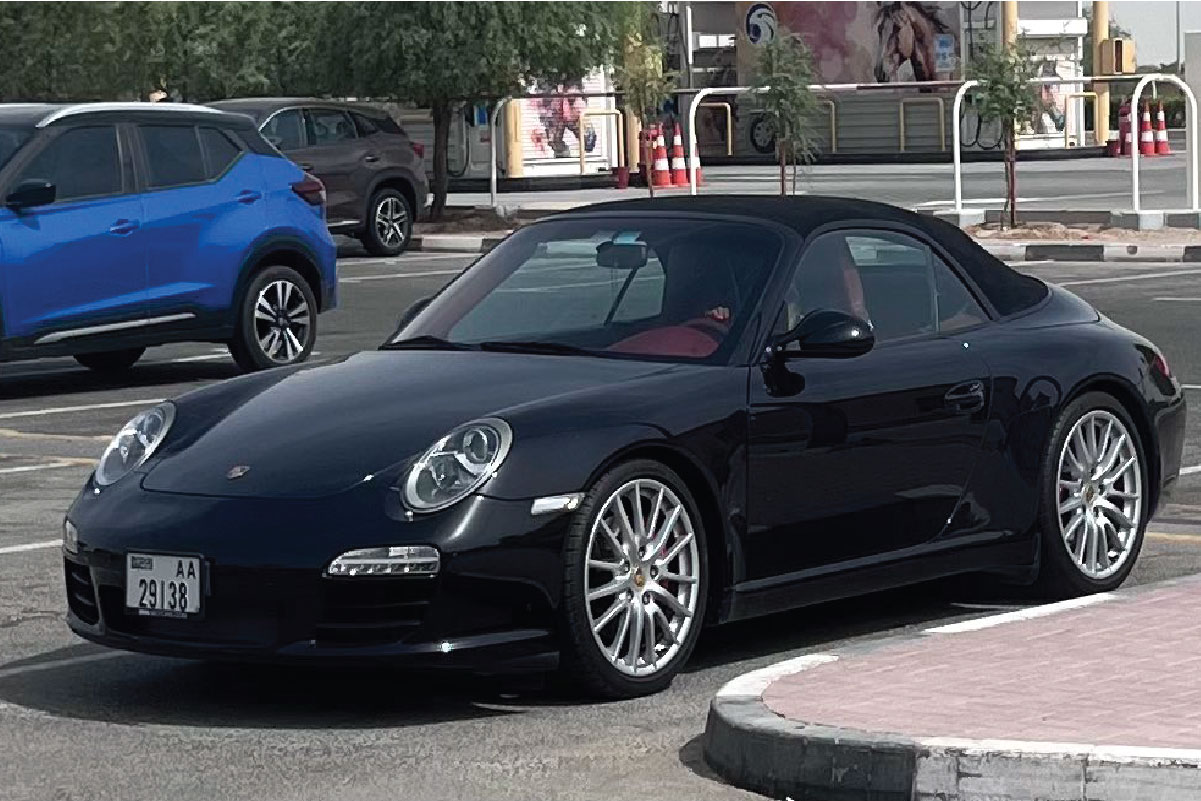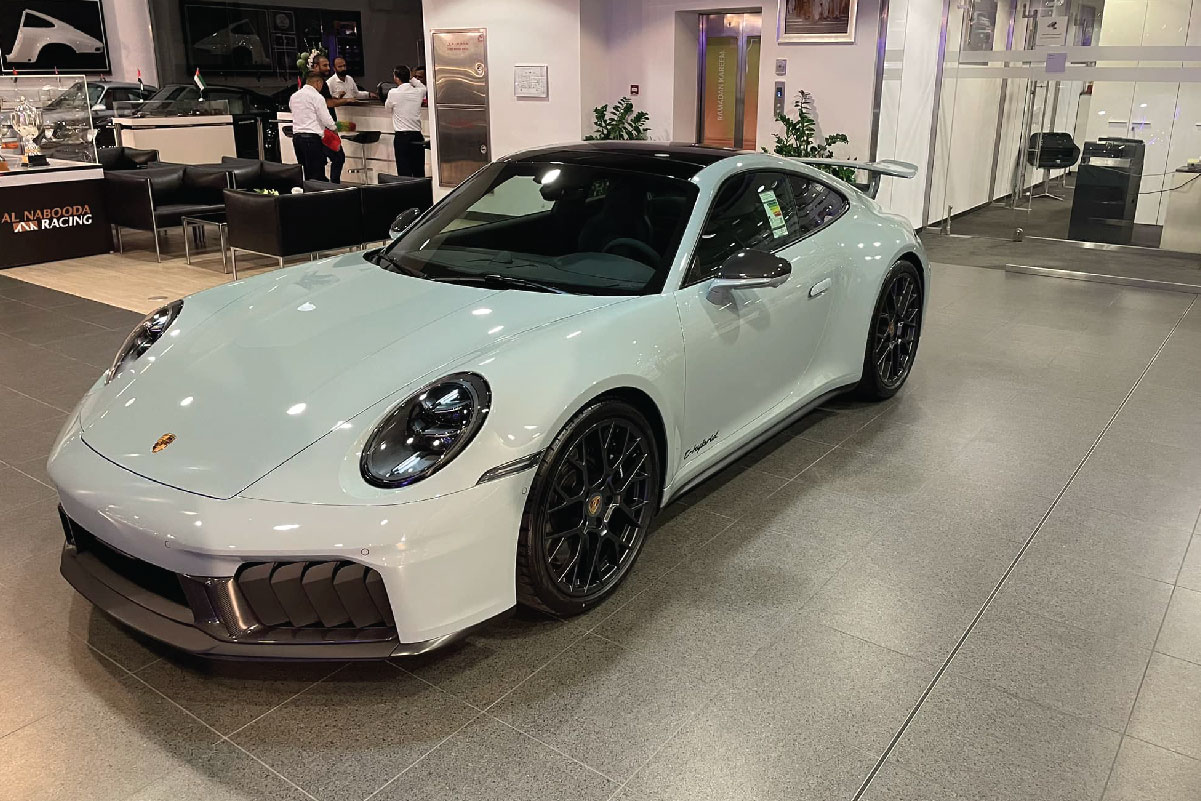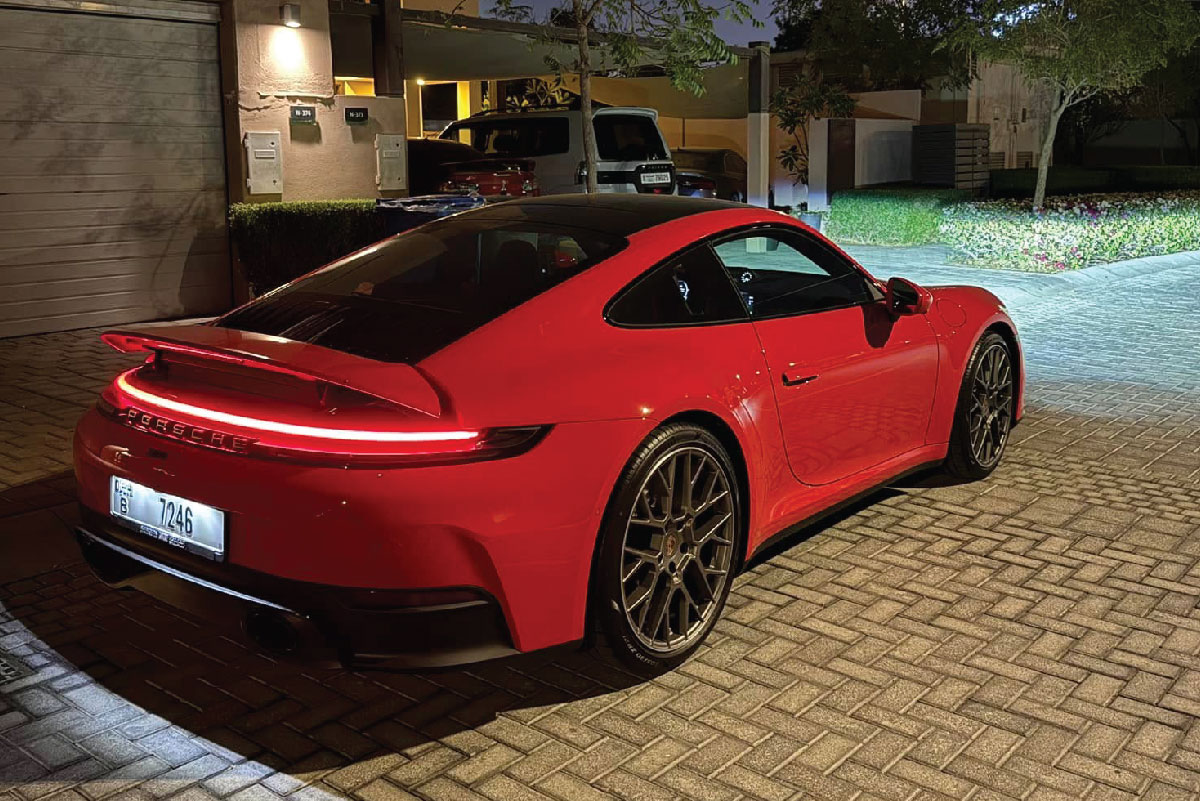
The Porsche 911 is famous for its unmistakable handling personality. Its rear-engine layout, often criticized early in its life, has evolved into one of the car’s biggest strengths. While most manufacturers place the engine at the front or the middle of the chassis, Porsche continues to refine a design that many experts once believed to be fundamentally flawed. Today, the 911 is praised for its stability, traction, and agility, much of which comes from the very layout that made it controversial. This article explores the handling secrets behind the Porsche 911 and why the rear-engine architecture creates such a powerful and enjoyable driving experience.
The Rear-Engine Concept Explained
In a rear-engine car like the 911, the engine sits behind the rear axle. This layout shifts weight toward the rear, which dramatically influences how the car behaves. The earliest 911s had more than 60 percent of their weight over the rear wheels, creating exceptional traction but also a reputation for sudden oversteer. Over time, Porsche engineers learned to refine this trait into a predictable and controllable feature rather than a weakness.
Unmatched Traction and Acceleration
One of the biggest handling advantages of the rear-engine 911 is its exceptional traction under acceleration. With the engine weight pushing the rear wheels into the ground, the car launches with impressive grip, even in challenging conditions. This is one reason the 911 accelerates so effectively in real-world driving, especially compared to front-engine rivals. Drivers in regions with performance-focused communities like Porsche 911 Dubai appreciate how the layout delivers control even at high speeds.
The Art of Cornering Balance
Cornering dynamics are where the 911 reveals its true personality. In traditional sports cars, weight is more evenly distributed, allowing neutral balance. In contrast, the 911 enters a corner with a light front end and a heavy rear. This requires a different driving style, emphasizing smooth inputs and precise timing. Skilled drivers use the rear-engine momentum to rotate the car naturally, allowing fast and fluid cornering. Modern stability systems help new drivers experience this characteristic safely.
Oversteer: The Challenge That Became an Advantage
Early criticism of the 911 centered on snap oversteer—the tendency of the rear to swing out unexpectedly. Porsche spent decades refining suspension geometry, tire technology, electronics, and aerodynamics to control this behavior. Instead of eliminating oversteer completely, engineers turned it into a performance tool. Today, controlled oversteer helps create the playful, responsive feel that 911 drivers love and experienced communities like the Porsche 911 Community celebrate.
Aerodynamic Stability Through the Generations
Aerodynamics play a major role in how the 911 handles at high speeds. Early models relied on mechanical grip, but later generations incorporated:
- Rear spoilers
- Wider tracks
- Active aerodynamic elements
- Optimized airflow
These improvements reduced lift and improved stability. The 911’s iconic sloping roofline helps channel air cleanly across the body, while the rear wing adds downforce exactly where the weight already exists, creating a remarkably stable high-speed platform.
Modern Suspension Technology
As handling expectations grew, Porsche introduced increasingly advanced suspension systems:
- Multi-link rear suspension
- Adaptive dampers
- PASM (Porsche Active Suspension Management)
- Rear-wheel steering
- Dynamic chassis control
Each innovation addressed historic weaknesses while enhancing strengths. Rear-wheel steering, for example, shortens the wheelbase at low speed for agility and lengthens it at high speed for stability, complementing the rear-engine balance.
Braking Performance and Weight Transfer
In braking, the rear-engine layout produces unique weight transfer characteristics. Because the rear carries more mass, the car remains more stable under heavy braking compared to front-engine cars. This characteristic gives drivers confidence during high-speed deceleration, particularly on fast roads and track events such as those hosted at Porsche Events UAE.
Why the 911 Feels Alive
Part of the 911’s charm is how naturally the car communicates with the driver. The rear-engine platform creates feedback through the chassis, steering, and throttle. This makes the car feel “alive,” a trait often lost in modern vehicles with heavy electronic filtering. Even with today’s driver-assistance systems, the 911 retains its raw character, which helps explain its global fan base.
Conclusion
The handling secrets of the Porsche 911 lie in its unconventional rear-engine layout—an architecture that has evolved into one of the most refined and rewarding driving experiences in the world. What began as a challenge has become a defining strength, shaping the 911’s personality across generations. Its traction, agility, aerodynamic stability, and emotional driving feel remain unmatched, ensuring the 911 continues to inspire drivers and enthusiasts worldwide.
- Performance and Specs
- 07/12/2025