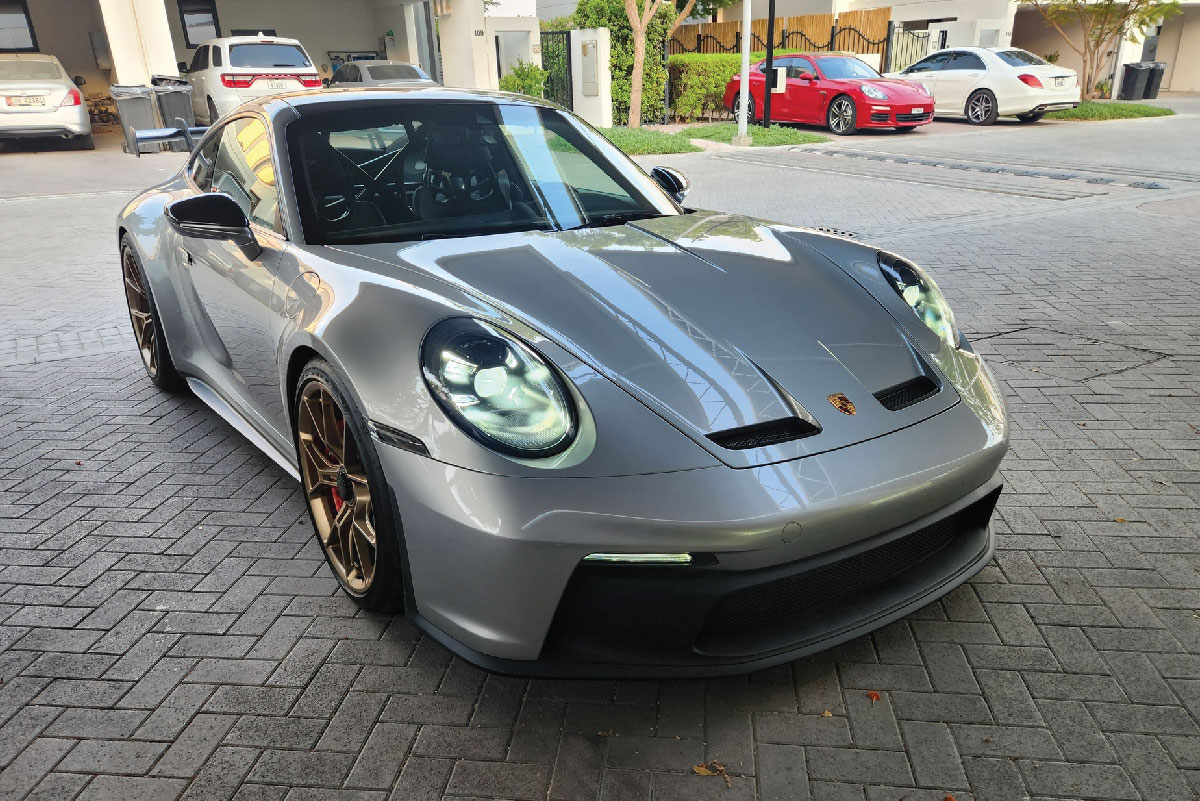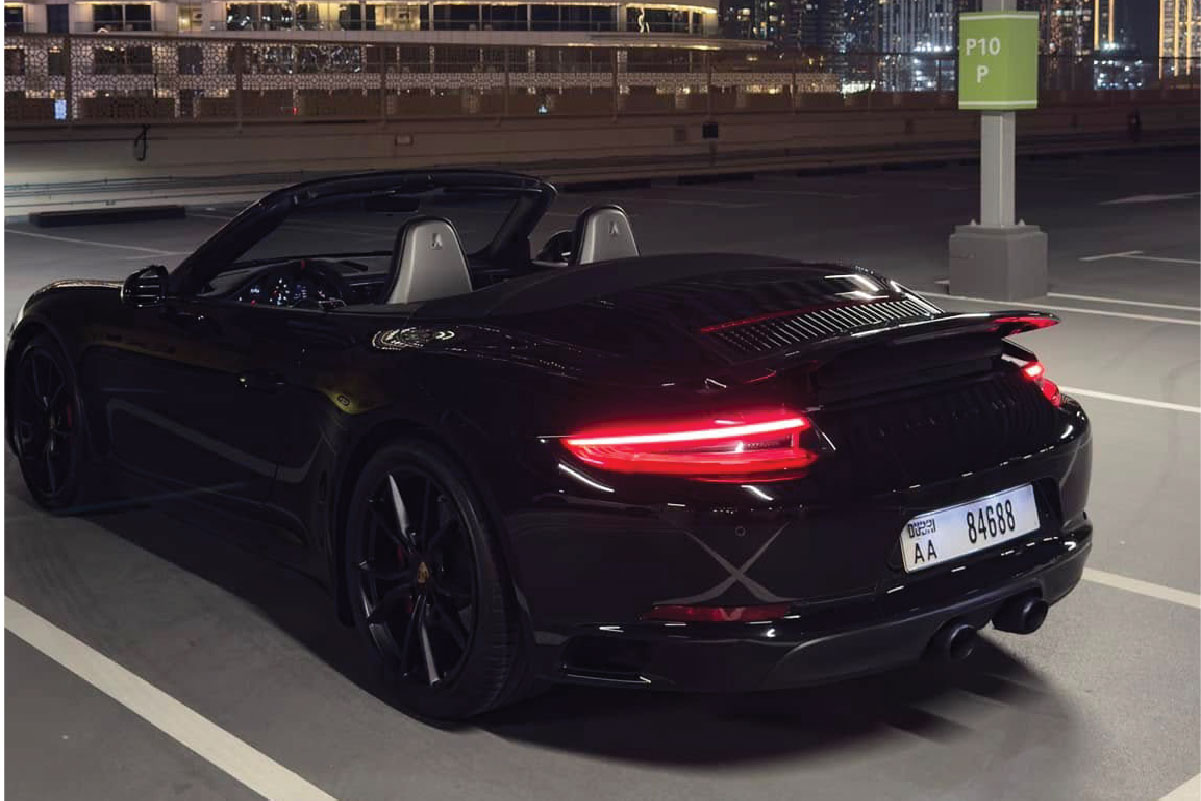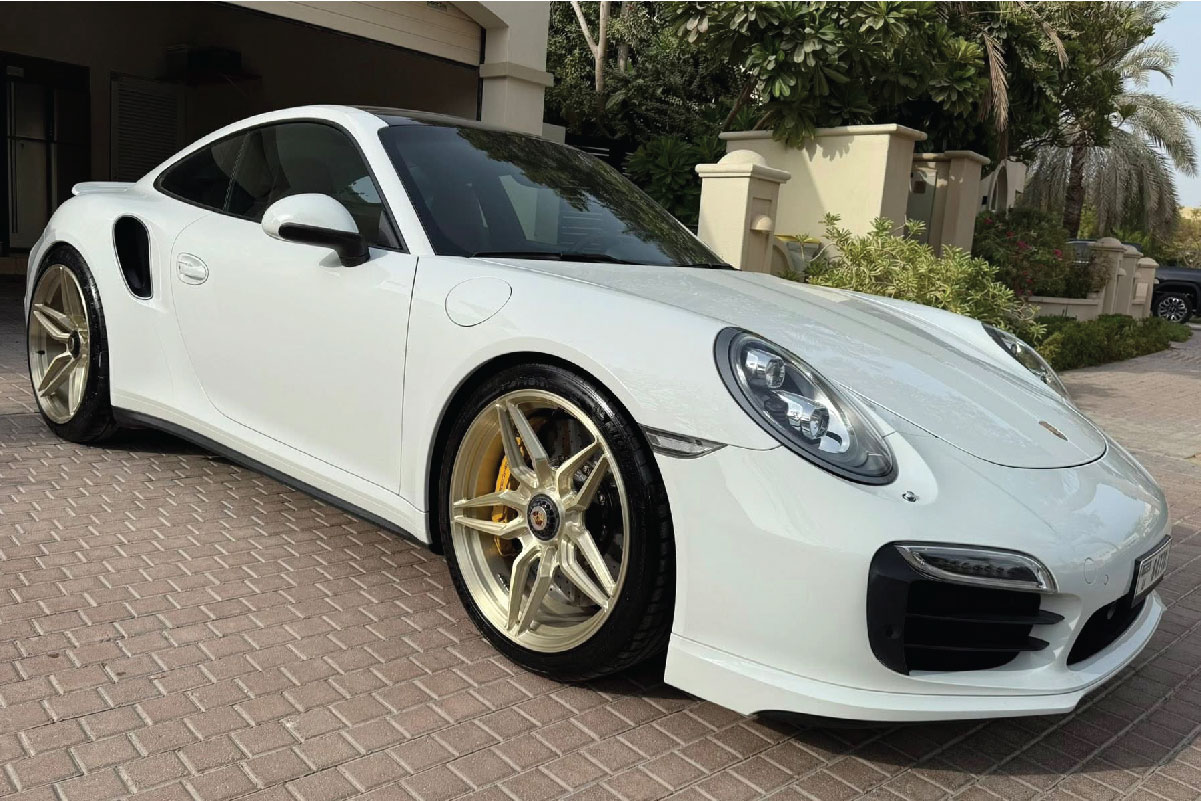
The Porsche 911 has always been defined by its balance of power, precision, and real-world usability. While enthusiasts often discuss handling, feel, and engineering details, acceleration remains one of the most powerful performance measures. The 0–60 mph benchmark, used globally across car reviews and performance testing, tells a clear story about the 911’s evolution. From modest beginnings in the 1960s to the explosive performance of the 2025 Turbo S, the 911’s climb in acceleration capability reflects six decades of engineering mastery.
This article examines how 0–60 times changed across every era, the engineering breakthroughs that enabled quicker launches, and what these numbers reveal about Porsche’s commitment to continuous improvement.
The Early Generations: Mechanical Purity Over Raw Speed
The earliest 911s were never built for absolute acceleration. Their strengths were lightness, balance, and mechanical engagement. That said, the first 911 of the mid-1960s delivered performance impressive for the era. The original models, powered by a 2.0-liter flat-six, reached 60 mph in roughly eight seconds. While modest by today’s standards, this showed Porsche’s ability to combine compact design with performance well above typical European sports cars of the time.
As engine displacement grew from 2.0 to 2.4 liters, acceleration naturally improved. By the early 1970s, the 911S variants were dipping into the mid-six-second range. Porsche was already building a reputation as a manufacturer capable of blending precision engineering with practical speed.
The Turbo Arrives: A New Era of Brutal Speed
The 1975 debut of the 930 Turbo changed everything. Turbocharging brought explosive mid-range power, and 0–60 mph times fell dramatically. The early 3.0-liter Turbo managed the sprint in about 5.2 seconds, while the later 3.3-liter Turbo of the late 1970s and 1980s brought times closer to five seconds flat.
Although the turbo-lag was significant, the experience was exhilarating. Drivers learned to anticipate the rush of power, making the 930 one of the most thrilling—yet demanding—sports cars of its era. In many ways, the Turbo established the 911 as a true rival to the supercars emerging from Italy.
The 964 and 993: Acceleration Meets Modernity
The introduction of the 964 in 1989 marked the first major leap into modern engineering. Power steering, ABS, and optional all-wheel drive allowed Porsche to refine launch characteristics. The Carrera 4, especially, showcased how all-wheel traction improved off-the-line acceleration. Many 964 Carrera models achieved sub-six-second runs with ease.
The final air-cooled generation, the 993, improved things further. With the Varioram intake and a more efficient engine, the 993 Carrera consistently hit low-five-second times. The 993 Turbo, equipped with all-wheel drive, entered the supercar league with 0–60 mph times around four seconds—numbers that challenged Ferrari and Lamborghini directly.
Water-Cooling Evolution: The 996, 997, and New Engineering Benchmarks
The switch to water-cooled engines with the 996 in 1998 allowed Porsche to push the 911’s performance considerably. The early 996 Carrera could reach 60 mph in around 4.9 seconds, while the 996 Turbo lowered that to a stunning 3.7 seconds—supercar territory.
The 997 generation continued this momentum. Naturally aspirated Carreras dipped into the low four-second range, while the GT3 and GT2 delivered times that rivalled exotic track-focused machines. The 997 Turbo S, featuring PDK and improved turbocharging, posted 0–60 times as quick as 3.1 seconds, making it one of the fastest accelerating cars in the world at that time.
The 991 Generation: PDK Dominance and Precision Launching
When Porsche introduced the 991 in 2011, the lighter chassis and improved dual-clutch PDK gearbox allowed acceleration to improve dramatically. A modern 991 Carrera S could hit 60 mph in about 4 seconds flat, while Turbo and Turbo S models pushed into the high-two-second territory. Launch Control technology transformed the consistency of acceleration; drivers could now achieve near-perfect runs repeatedly with minimal effort.
The GT3 and GT2 RS variants offered immense performance, frequently achieving 0–60 times in less than 3.0 seconds. Porsche’s engineering had entered an era where the 911 was not merely quick—it was brutally efficient.
992 and the 2025 Era: Hybridization and Instant Torque
The modern 992 generation represents Porsche at its most advanced. With lightweight construction, optimized aerodynamics, and refined turbocharging, even the base Carrera can achieve 60 mph in a little over four seconds. Higher-tier models like the Carrera GTS and Turbo S deliver astonishing acceleration, with the Turbo S consistently running the 0–60 sprint in around 2.5 seconds—one of the fastest production cars in history.
As Porsche moves toward hybrid-assisted performance for 2025, early tests show even more dramatic torque delivery at low RPM. This allows faster launches with cleaner efficiency, setting the stage for the fastest accelerating 911s yet.
Why Acceleration Numbers Matter in 911 History
Acceleration figures do not define the entire driving experience, but they reveal how Porsche continuously refines technology. Every generation shows a leap in innovation—from carburetors to fuel injection, from air-cooling to water-cooling, from manual gearboxes to the lightning-fast PDK, and now from turbo power to hybrid-enhanced torque.
The surge in performance also reflects Porsche’s ability to balance heritage with modern demands, demonstrating why the 911 remains one of the most admired sports cars in cities like Porsche 911 Dubai, where enthusiasts regularly compare generations during high-end gatherings and Porsche 911 UAE community events.
Conclusion
The evolution of Porsche 911 0–60 mph performance mirrors the evolution of the car itself. Each generation brings a milestone, not just in raw speed but in engineering approach. From the mechanical honesty of early air-cooled models to the blistering acceleration of modern Turbo S and hybrid-assisted variants, the 911 has transformed repeatedly while preserving its identity. This is what makes the 911 unique—and why its acceleration history remains as fascinating as its heritage.
- Performance and Specs
- 07/12/2025