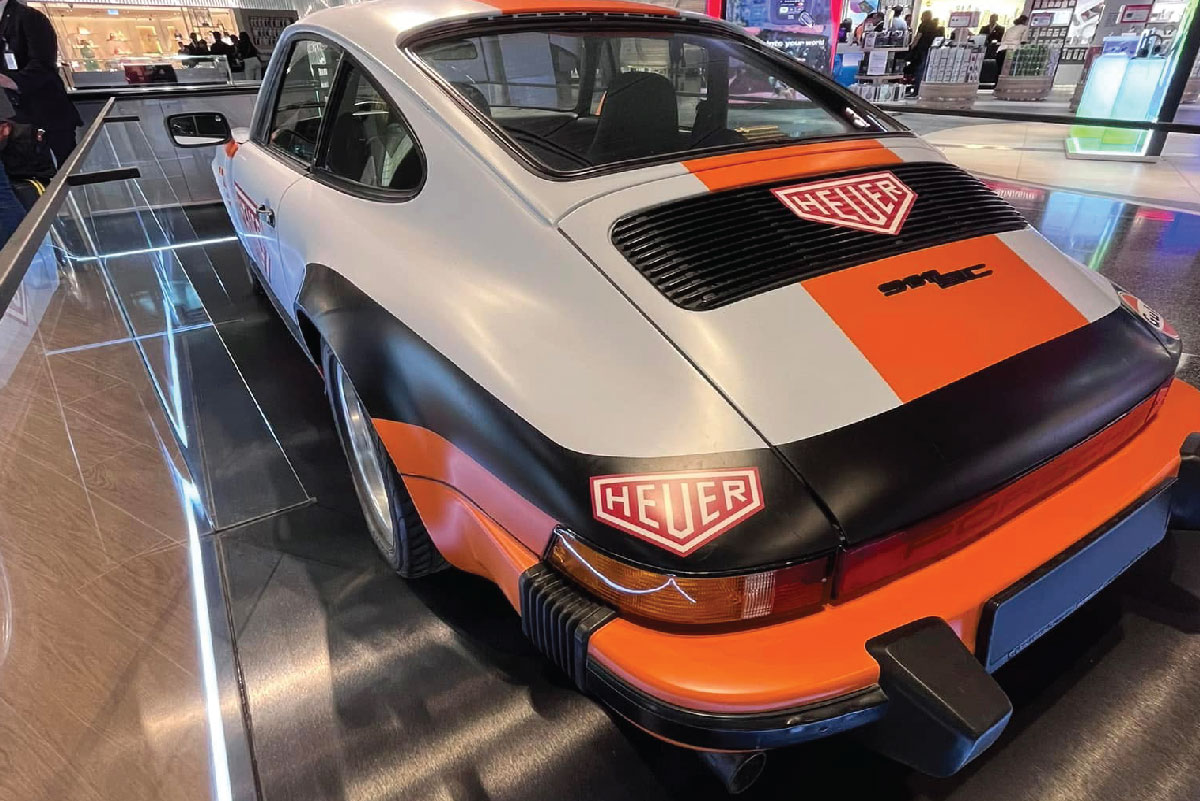
The Porsche 911 has always been known for its rear-engine layout, rear-wheel-drive character, and the unique handling traits that came with it. But as power increased and technology evolved, Porsche began exploring ways to deliver greater stability and traction without compromising the 911’s traditional personality. This led to the development of the 911’s sophisticated all-wheel-drive systems, which gradually became an essential part of the model’s evolution. Today, AWD is a major reason why the 911 feels so confident in all weather conditions, on highways, and even on racetracks. Understanding how Porsche engineered this system provides a deeper appreciation for how the 911 has maintained its reputation as a usable everyday sports car while still delivering world-class performance.
Early Challenges That Led to AWD Development
When the 911 first gained widespread popularity in the 1960s and 1970s, drivers loved its agility but also discovered that the car demanded skill. The rear-engine configuration placed a significant amount of weight behind the rear axle, which created brilliant traction on acceleration but also introduced oversteer risks, especially in wet environments or under sudden throttle changes. As Porsche began adding more powerful engines, especially turbocharged models, the company realized that a solution was needed to help balance the car’s dynamic behavior. Engineers wanted the 911 to remain engaging but more accessible, particularly for drivers who used it daily.
The Porsche 959: The Beginning of AWD Excellence
Before AWD reached the 911, Porsche experimented with its most advanced technologies in the 1980s. The Porsche 959, created as a technological showcase, featured an innovative all-wheel-drive system known as PSK (Porsche-Steuer Kupplung). This system could actively shift torque between the front and rear axles depending on driving conditions. The 959’s AWD success in rally racing and high-performance driving gave Porsche the confidence to apply AWD to production 911 models.
The First AWD 911: The Carrera 4 (964 Generation)
In 1989, Porsche introduced the 964 generation, marking one of the biggest turning points in 911 history. The Carrera 4 became the first production 911 equipped with all-wheel drive. It was designed to offer greater stability in wet or snowy conditions while preserving the sharpness expected from a 911. The system monitored wheel slippage, steering input, and throttle position, shifting power to the front wheels when needed. Drivers loved its newfound security on challenging roads, and for many, it made the 911 a more practical year-round sports car.
The 993 and the Evolution of Torque Management
With the 993 generation, Porsche refined the AWD system to be lighter, more compact, and more responsive. Engineers reduced the complexity of the mechanical components to enhance agility. The 993’s AWD system also improved front-to-rear balance by reducing parasitic drag, which helped maintain the rear-engine character that traditional Porsche fans valued. This generation marked a harmony between safety and sportiness, showing that AWD could enhance performance without numbing the visceral feel of the 911.
The 996 and the Rise of Stability Technology
The introduction of the 996 brought water-cooled engines and a new era of electronic driver assistance. Porsche’s AWD system was now supported by traction control and stability control technologies. Combining mechanical grip with electronic precision allowed the 911 to handle dramatic power increases. As turbocharged models exceeded 400 horsepower, the AWD system ensured that the car remained controllable even under aggressive acceleration. This era marked the integration of performance engineering with digital intelligence.
The 997 and the Introduction of Porsche Traction Management (PTM)
A major leap arrived with the 997 generation and the debut of Porsche Traction Management (PTM). This new AWD system featured electronically controlled multi-plate clutches that reacted instantly to changes in grip. PTM could shift torque proactively rather than reactively, using predictive algorithms to read driving behavior. Hard cornering, wet surfaces, or rapid lane changes were all situations where PTM helped keep the car composed. The result was an AWD system that felt invisible when cruising but transformative during enthusiastic driving.
The 991 and a New Level of Integration
The 991’s wider track, improved suspension, and lighter chassis allowed the AWD system to function with even greater precision. Porsche fine-tuned the torque split to maintain the natural rear-engine balance while giving the front axle just enough assistance for enhanced cornering stability. AWD Carrera models became popular in regions with challenging weather, including snowy European countries and markets like the Porsche 911 UAE community, where high-speed stability on hot, sandy highways also matters.
The Modern 992: Digital Intelligence Meets Mechanical Excellence
Today’s 992-generation AWD system represents Porsche’s most advanced interpretation of all-wheel drive. Using sophisticated sensors and high-speed data analysis, the system constantly monitors wheel rotation, traction levels, lateral forces, and even driver intent. It can shift torque in milliseconds, making the car exceptionally predictable under pressure. Whether accelerating out of a tight corner or traveling at high speed on Dubai’s highways, AWD models in the modern 911 lineup feel planted and confident. For drivers who participate in meetups through groups like the Porsche 911 Community, AWD opens the door to performance across all seasons and conditions.
How AWD Affects Daily Driving
One of the biggest advantages of AWD in the 911 is its ability to deliver sports-car-level excitement without demanding perfect conditions. Drivers notice how easily the car grips the road in rain, how confidently it launches from a standstill, and how stable it feels during highway maneuvers. The system makes the 911 more approachable for newcomers while enhancing the driving pleasure of experienced owners.
AWD vs. RWD in the 911: Different Characters, One Soul
Although AWD delivers impressive security and acceleration, Porsche still produces rear-wheel-drive models for purists. RWD versions offer a slightly more playful handling style, particularly when driving on twisty roads. AWD, on the other hand, translates the 911’s power into forward motion with remarkable efficiency. Both systems preserve the essence of the 911; they simply allow drivers to choose the flavor they prefer.
Conclusion
The evolution of Porsche’s all-wheel-drive systems transformed the 911 into a more versatile, powerful, and globally usable sports car. From the pioneering PSK system in the 959 to the cutting-edge PTM of today’s 992 models, AWD has enhanced the 911’s stability without diluting its character. It stands as one of the most important innovations in the 911’s history, proving that even tradition can evolve without losing its spirit.
- Performance and Specs
- 07/12/2025