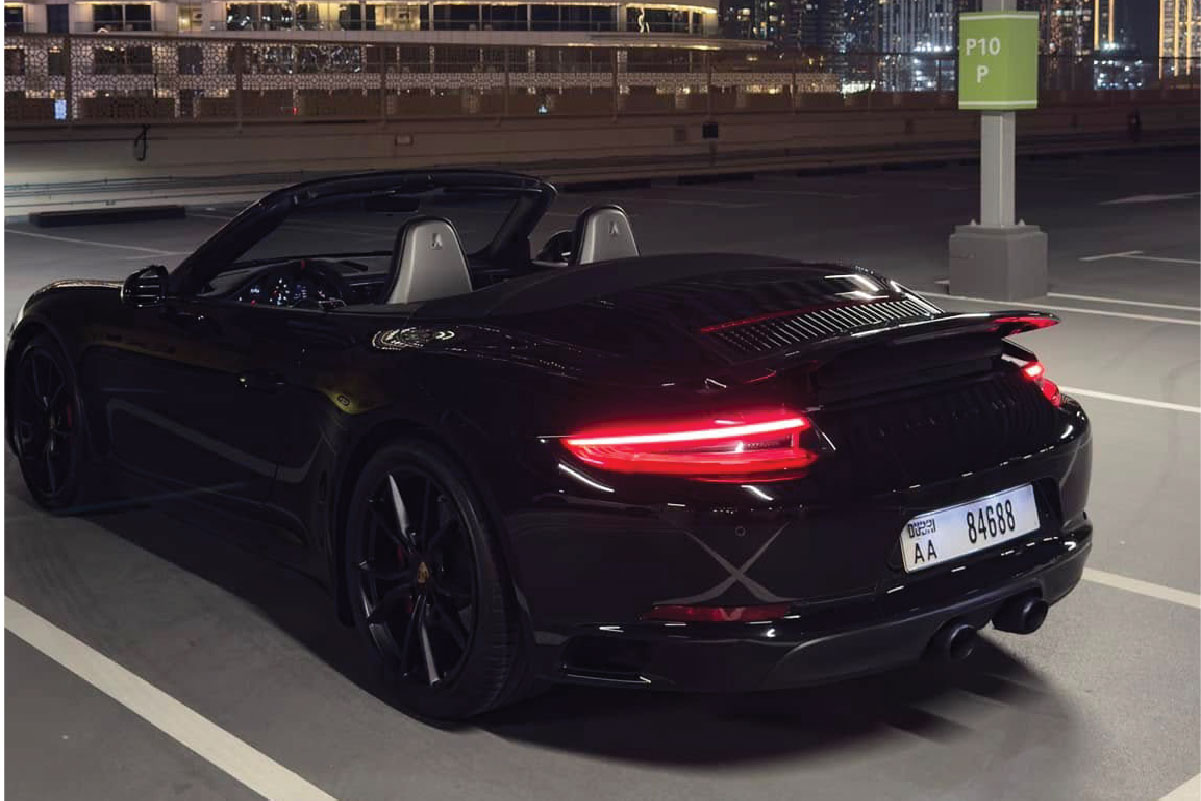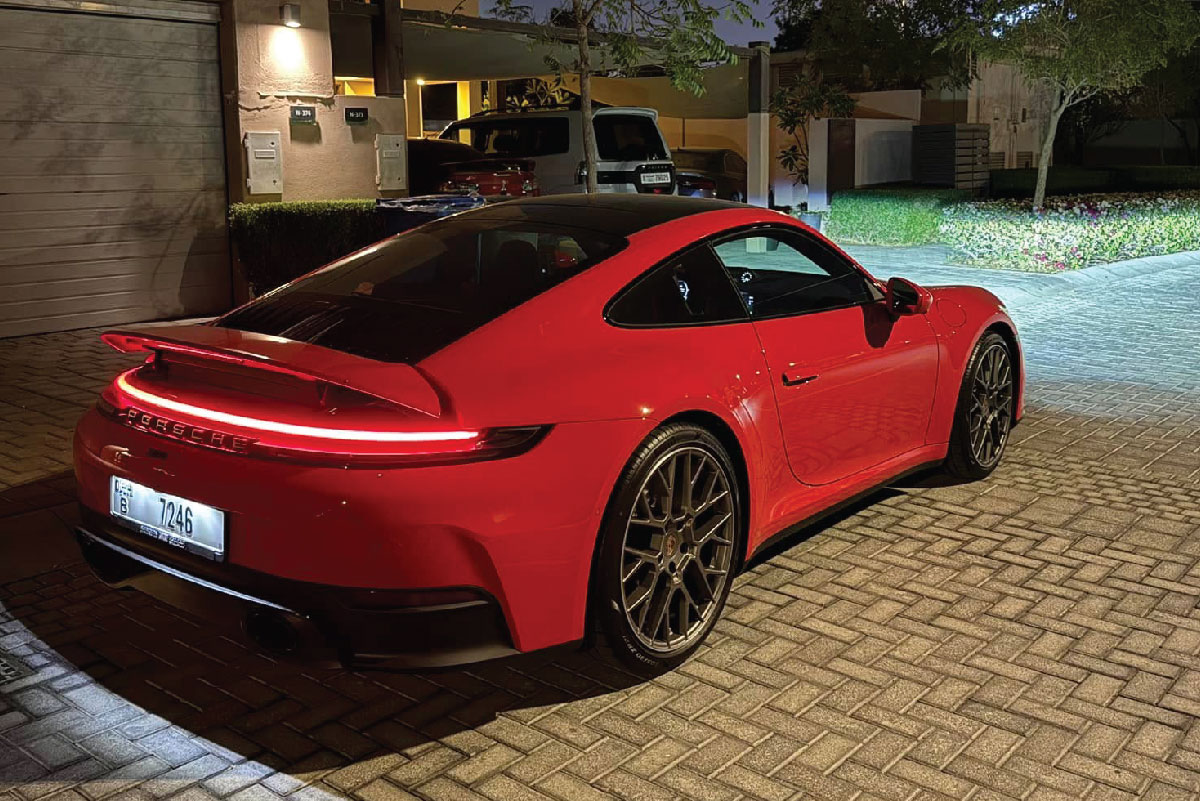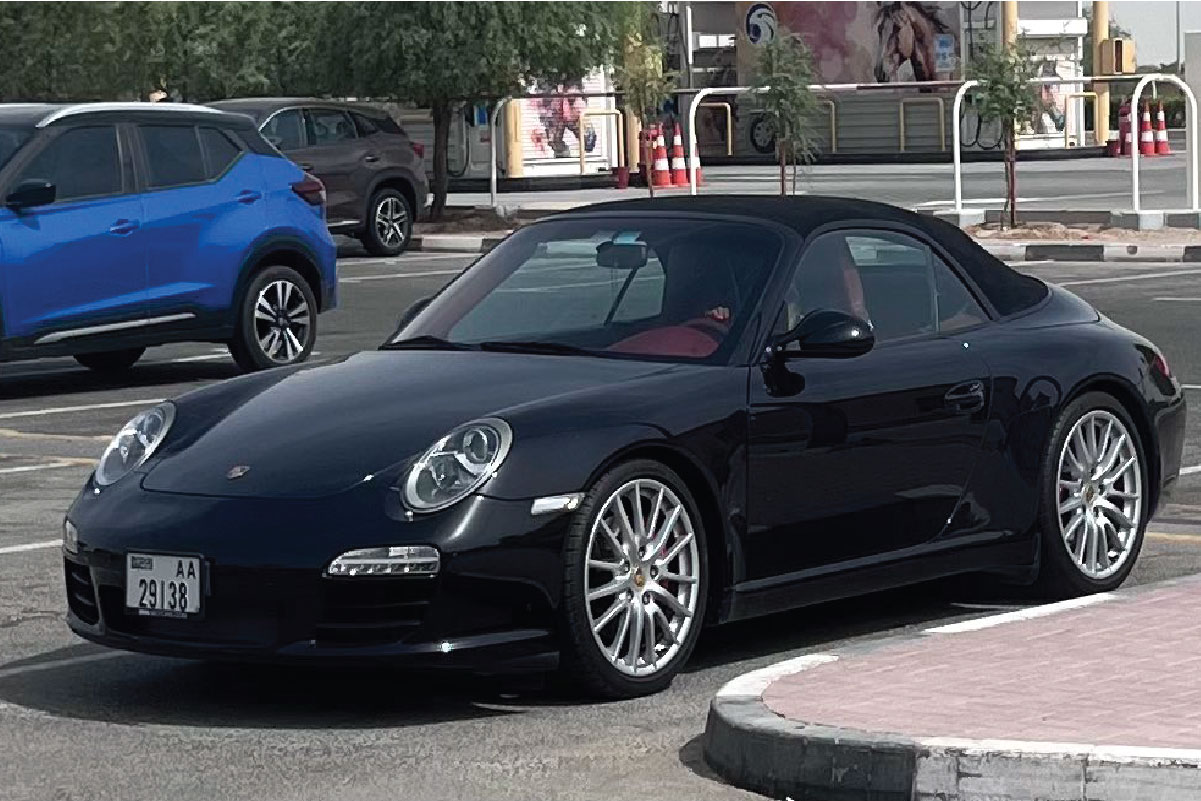
The Porsche 911 has always been defined by its engine character, and one of the clearest ways to trace its evolution is through its horsepower journey. From modest early air-cooled outputs to the astonishing numbers achieved in modern turbocharged and hybrid-assisted models, the 911’s horsepower story is far more than a technical progression. It reflects changing technology, regulatory pressures, motorsport ambitions, and the pursuit of a unique driving feel. Understanding how horsepower has evolved across generations helps explain why the 911 remains one of the most admired sports cars in the world, from Europe to the Middle East and highly active communities such as Porsche Events Dubai and Porsche 911 UAE.
1960s: The Early Air-Cooled Foundation
When the 911 first emerged in 1963, it offered 130 horsepower from a 2.0-liter flat-six engine. By modern standards, this number seems modest, but in the 1960s it provided a spirited, lightweight driving experience. Early variations, including the 911 S, gradually pushed the engine to 160 horsepower, demonstrating Porsche’s early commitment to performance through engineering rather than sheer displacement. The philosophy of “more with less” would remain a cornerstone of the 911 for decades.
1970s: Power Rises and the Turbocharged Era Begins
As the 911 matured into the 1970s, Porsche expanded displacement to 2.4 and 2.7 liters, bringing output closer to 210 horsepower. The true transformation came in 1975 with the introduction of the first 911 Turbo (the 930). Suddenly, horsepower jumped dramatically, reaching 260 horsepower, and later 300 horsepower with the 3.3-liter upgrade. This leap changed the identity of the 911 forever. Turbocharging brought a new character—ferocious acceleration, dramatic power delivery, and an unmistakable reputation that shaped Porsche’s performance image worldwide.
1980s: Refinement and Consistency
Throughout the 1980s, Porsche continued refining its engines without dramatic increases in output. The naturally aspirated 3.2 Carrera settled around 231–250 horsepower, preserving a well-balanced driving experience. Meanwhile, the Turbo remained the peak of the lineup, maintaining 282–300 horsepower depending on market regulations. This decade focused more on reliability, emissions, and chassis tuning rather than outright horsepower. Yet even with similar numbers, real-world performance steadily improved thanks to better fuel injection, aerodynamics, and stability.
1990s: Air-Cooled Peaks and a Major Transition
The 964 generation arrived in the early 1990s, pushing naturally aspirated horsepower into the 250–260 range, while the Turbo approached 360 horsepower. Then, in 1995, Porsche introduced the final air-cooled generation—the 993. This era produced some of the most admired engines in Porsche history, including the 408-horsepower Turbo and the naturally aspirated 272–285 horsepower Carrera models. The 993 signaled the peak of air-cooled performance before Porsche made one of its biggest engineering shifts: switching to water cooling.
2000s: Water-Cooling Unlocks New Power Levels
With the arrival of the 996 in 1998, horsepower climbed rapidly. The standard Carrera began at 296 horsepower, while the Turbo exceeded 420 horsepower, shocking the market with everyday usability and supercar performance. The 997 generation expanded these numbers even further, with the GT3 producing up to 435 horsepower and the Turbo S pushing beyond 530 horsepower. Advances in cooling, turbo efficiency, and aerodynamics allowed Porsche to deliver higher horsepower without sacrificing drivability—one of the brand’s defining strengths.
2010s: Turbocharging Becomes Standard
With the launch of the 991 and later the 991.2, Porsche turbocharged the entire Carrera lineup, not just the Turbo models. Even base Carreras now exceeded 370 horsepower, while the Turbo S approached 580 horsepower. The GT3, still naturally aspirated, reached an astonishing 500 horsepower from a 4.0-liter flat-six that revved to 9,000 rpm. This decade represented Porsche’s ability to balance environmental regulations with increasing performance expectations.
2020s: The 992 and Beyond—Efficiency Meets Power
The current generation, the 992, brings the most advanced and powerful lineup ever. The standard Carrera pushes close to 400 horsepower, the Carrera S sits above 440, and the Turbo S produces 640 horsepower, making it one of the most capable all-weather performance cars ever created. With hybrid systems entering the lineup in 2025, horsepower continues to rise while emissions drop, showcasing Porsche’s commitment to sustainable performance.
Conclusion
The horsepower evolution of the Porsche 911 is a story of relentless engineering progress. From 130 horsepower in 1963 to over 640 horsepower today, each generation reflects the balance between tradition and innovation that defines the brand. Across decades, horsepower has grown not only in numbers but in character: more usable, more reliable, and more thrilling. Whether seen in Porsche 911 Dubai meets or admired worldwide, the 911 remains one of the most powerful symbols of performance evolution in automotive history.
- Performance and Specs
- 07/12/2025