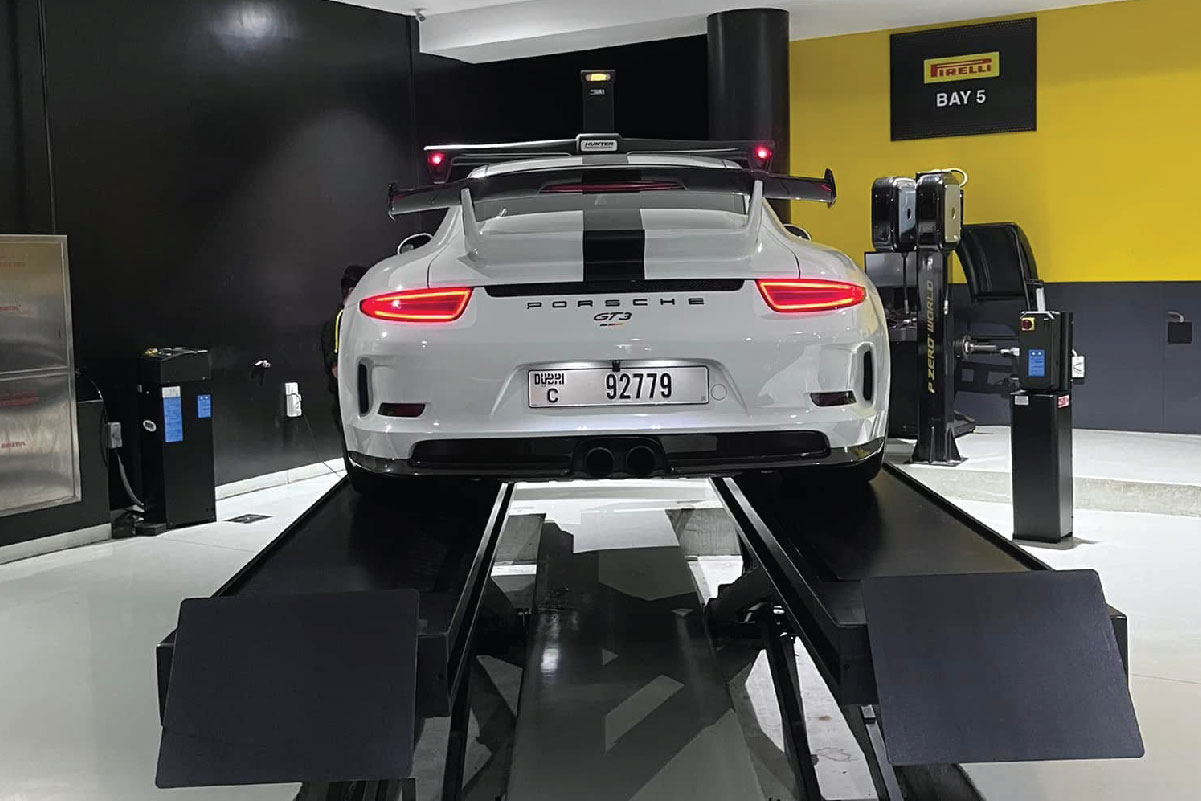
At first glance, the Porsche 911 and Formula 1 seem worlds apart. The 911 is a rear-engine sports car built for road and track versatility, while Formula 1 represents the pinnacle of open-wheel, single-seater racing. Yet the story is far more connected than it appears. Throughout motorsport history, Porsche and Formula 1 have crossed paths through engine development, driver transitions, engineering influence, and shared technologies. These connections reveal how the 911 benefited from racing’s highest category and why Porsche has been repeatedly linked to F1 projects.
Early Contact: Porsche’s Formula 1 Engine Heritage
Porsche first entered Formula 1 as a constructor in the early 1960s. The Porsche 804 competed during the 1962 season and famously won the French Grand Prix. Although this effort was short-lived, the engineering insights gathered during this period shaped the company’s motorsport strategy, including innovations later used in the 911’s performance evolution.
Precision machining, lightweight construction, and aerodynamic experimentation made their way into 911 production models. This indirect transfer of technology is one of the earliest bridges between the 911 and the F1 world.
TAG-Porsche and the 1980s Power Era
Perhaps the most famous Porsche–F1 connection came in the 1980s when Porsche built the TAG-Porsche turbo engine for McLaren. This V6 turbocharged engine powered McLaren to multiple championships with drivers like Niki Lauda and Alain Prost.
Although this engine was not installed in any 911 at the time, the engineering lessons from turbocharging, heat management, and forced induction strongly influenced Porsche’s turbo road cars—including the 930 and the later 964 Turbo.
When driving enthusiasts in Porsche 911 Abu Dhabi discuss how Porsche perfected turbo technology earlier than many rivals, the answer lies partly in these Formula 1 experiments.
Shared Technologies: Aerodynamics and Materials
Formula 1’s constant pursuit of lightweight materials influenced Porsche’s use of:
- Carbon fiber
- Aerospace alloys
- Advanced composites
These materials appear in modern 911 GT3 RS and GT2 RS models, shaping the performance envelope that Porsche is known for. Aerodynamic strategies—such as vented fenders, high-downforce wings, and underbody channeling—also reflect lessons originally developed in F1 wind tunnels.
Driver Crossovers: From F1 to the 911
Several Formula 1 drivers have competed in 911-based racing series, bridging both worlds. Drivers often chose the Porsche 911 because it rewards precision and racecraft—skills honed in Formula 1.
Examples include:
- Mark Webber transitioning to Porsche’s LMP program
- Former F1 talents participating in 911 GT3 Cup races
- F1 juniors training with 911 GT3 models due to their honest handling
These transitions strengthened cultural ties between F1 professionals and the 911 enthusiast world, including communities active in Porsche Events UAE.
Modern Attempts: Porsche’s Nearly-Approved F1 Return
In the early 2020s, Porsche nearly entered Formula 1 again as an engine supplier to Red Bull Racing. Negotiations were advanced but ultimately fell through as Red Bull desired greater control over engineering decisions.
If finalized, Porsche’s involvement would have eventually influenced next-generation 911 hybrid systems. Even without the deal, the technical research invested in this project contributed to Porsche’s expertise in electrified performance—knowledge now shaping the newest 911 hybrid models.
Shared Engineering Principles
Even though the 911 is fundamentally different from an F1 car, both share the same engineering philosophy:
- Efficient power delivery
- Weight-conscious design
- Aerodynamic stability
- High thermal tolerance
- Rigorous testing
These principles ensure both vehicles remain dominant in their respective categories. The 911’s motorsport dominance in endurance racing mirrors Formula 1’s obsession with performance perfection.
Cultural and Industry Influence
For decades, Formula 1 has shaped public fascination with speed. Porsche leveraged this cultural momentum to build a performance identity for the 911. Technology, design ambition, and motorsport credibility blend into a brand image cherished by owners worldwide, with passionate enthusiasm visible inside the growing Porsche 911 Community.
Even though the 911 never participated directly in F1, the mutual respect between the two worlds strengthened Porsche’s motorsport authority and expanded its global influence across racing culture.
Conclusion
The relationship between the Porsche 911 and Formula 1 is rich, layered, and deeply influential. Through shared engineering principles, turbocharging heritage, driver transitions, and modern F1 negotiations, the 911 evolved into a world-class performance icon partly shaped by Formula 1 technologies. These connections continue to inspire drivers, engineers, and enthusiasts across regions including Porsche 911 Abu Dhabi and global motorsport events throughout the Middle East.
- Racing and Motorsport
- 07/12/2025