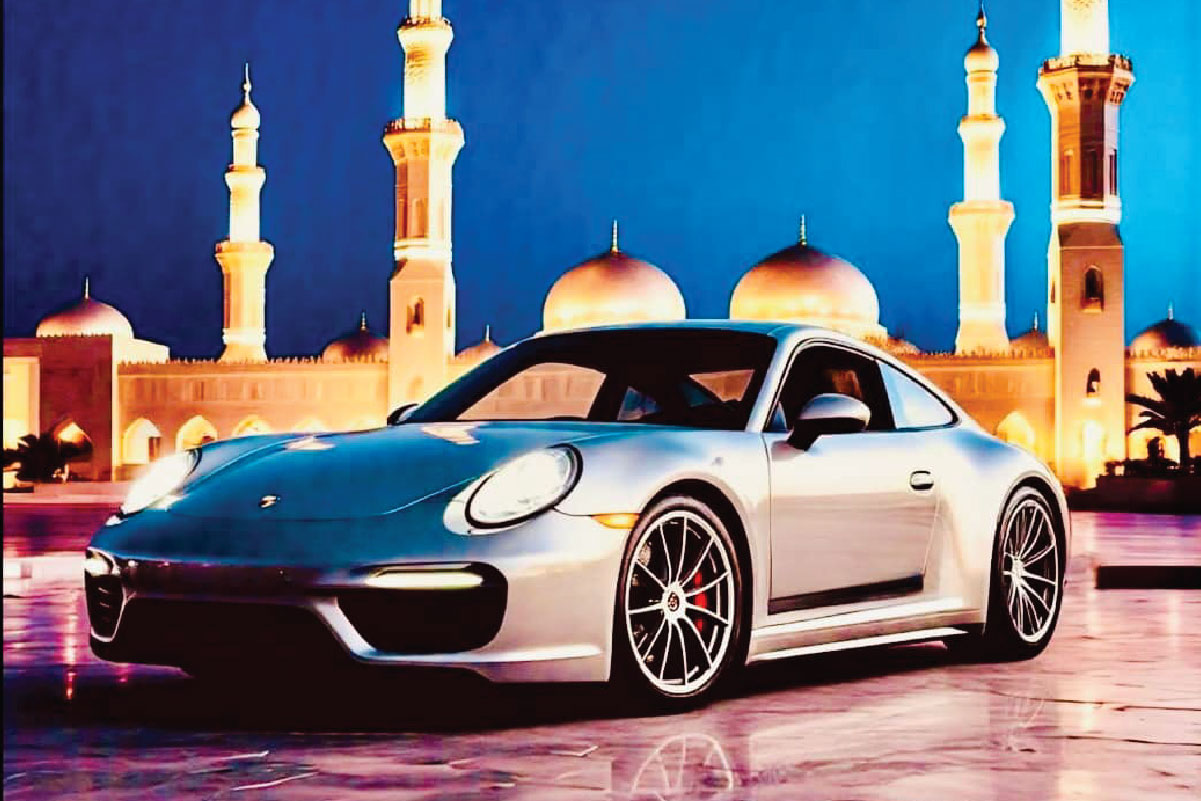
The Porsche 911 is one of the most famous sports cars ever created, but the story of its early prototypes is far less known. Behind the polished production models that appeared in showrooms, Porsche built dozens of experimental cars—some successful, some strange, and some completely forgotten. These early prototypes reveal how Porsche refined the 911’s design, engineering, and identity. This article explores rare facts about the very first 911 test cars.
- The First 911 Was Almost a Completely Different Shape
Before the iconic silhouette was finalized, Porsche experimented with designs that looked closer to a stretched 356. Early sketches featured:
- A shorter hood
- A more rounded cabin
- Narrower rear proportions
These early designs lacked the elegant tension that defines the 911 today. It took several iterations before Ferdinand Alexander Porsche refined the final shape.
- It Was Originally Named the Porsche 754
Long before the 901 or 911 name existed, Porsche internally referred to the prototype as the Type 754 T7.
This early version still had:
- 2+2 seating
- A more upright roofline
- A less aerodynamic front end
Although not production-ready, the 754 laid the foundation for the later 901 prototypes.
- Porsche Built More Than 80 901 Prototypes
Many people think Porsche built only a few prototypes before launching the 901. In reality, the engineering team produced over 80 experimental cars to refine:
- Suspension geometry
- Body structure
- Engine cooling
- Interior layout
- Gear ratios
These prototypes went through grueling testing in Europe and even the Middle East, where heat and elevation pushed the engines to their limits.
- The Earliest Prototypes Used a Flat-Four Engine
Although the 911 is famous for its flat-six, some prototypes used a four-cylinder engine while the flat-six was still being developed.
Porsche wanted to validate:
- Weight distribution
- Cooling
- Chassis behavior
Only later did the fully developed 2.0-liter six-cylinder engine become standard.
- One Prototype Had the Engine in the Middle
Few people know that Porsche once experimented with a mid-engine 911.
The idea seemed logical for balance, but:
- It compromised cabin space
- It didn’t match the brand identity
- It reduced practicality
Porsche later used the mid-engine concept for the 914, Boxster, and Cayman instead.
- The First 911 Prototypes Shared 60% of Parts With the 356
To reduce costs, Porsche initially reused many parts from the 356:
- Door handles
- Suspension components
- Steering parts
- Interior elements
Only after testing did they redesign components to suit the 911’s higher performance.
- Early 911 Prototypes Had No Rear Seats
The first prototype cabins were pure two-seaters.
The rear seats were added later to make the 911 suitable as a “2+2,” helping Porsche appeal to a broader market.
- The 901 Badge Change Happened Late in Development
Most early prototypes wore 901 badges, including interior plates and documentation. The sudden trademark issue with Peugeot forced a last-minute name change. Today, original 901-badged prototypes are extremely rare and sought after by collectors.
- Porsche Sent Prototypes to Cold and Hot Extremes
To ensure durability, Porsche tested prototypes in:
- The Arctic Circle
- The Alps
- High-speed German autobahns
- The deserts of the Middle East
These extreme conditions validated the 911’s now-famous reliability.
Modern gatherings such as Porsche 911 Dubai and Porsche Events UAE still celebrate the endurance of early Porsche engineering.
- Early Interiors Were Far More Experimental
Prototype cabins featured:
- Two-gauge clusters
- Different dashboard angles
- Prototype switchgear
- Unique steering wheel designs
The final five-gauge layout came much later and became part of the Porsche identity.
Conclusion
The early Porsche 911 prototypes reveal a fascinating evolution—from experimental shapes and engines to refined final models. These hidden details show how much work went into creating an automotive icon that still inspires the global Porsche 911 Community today.
- History and Origins
- 06/12/2025