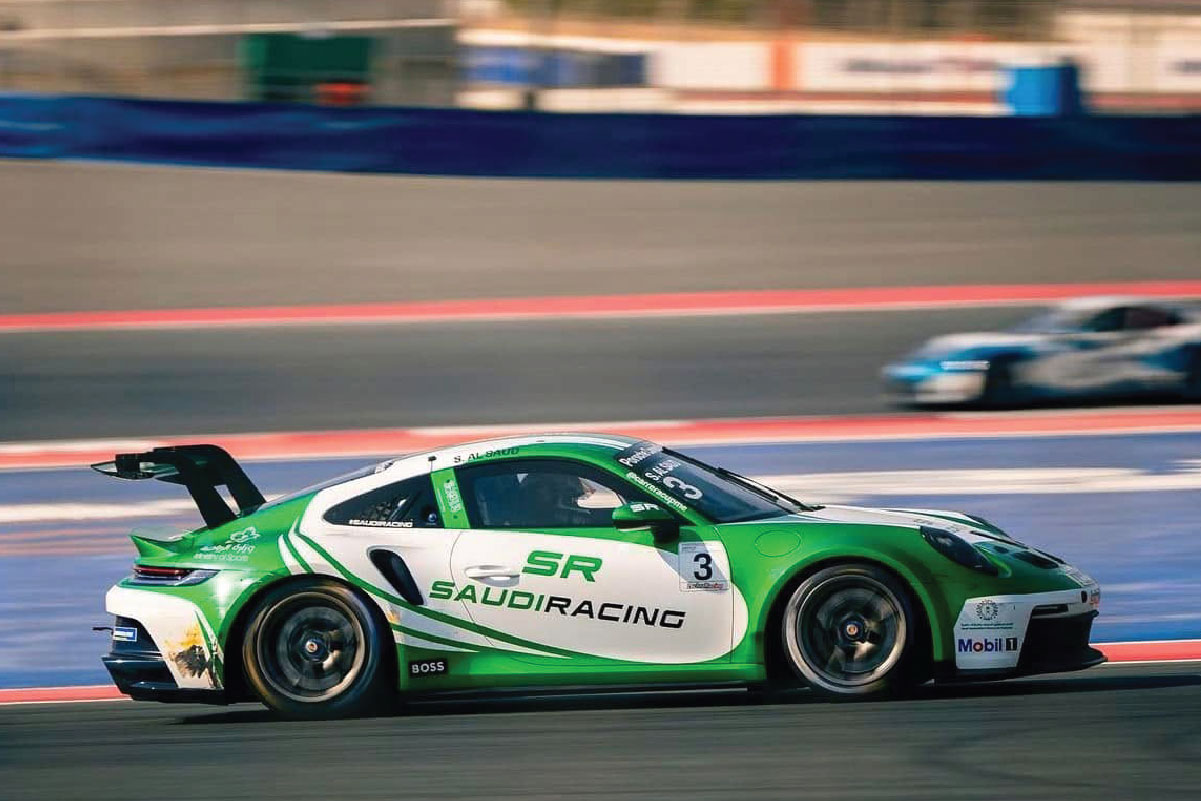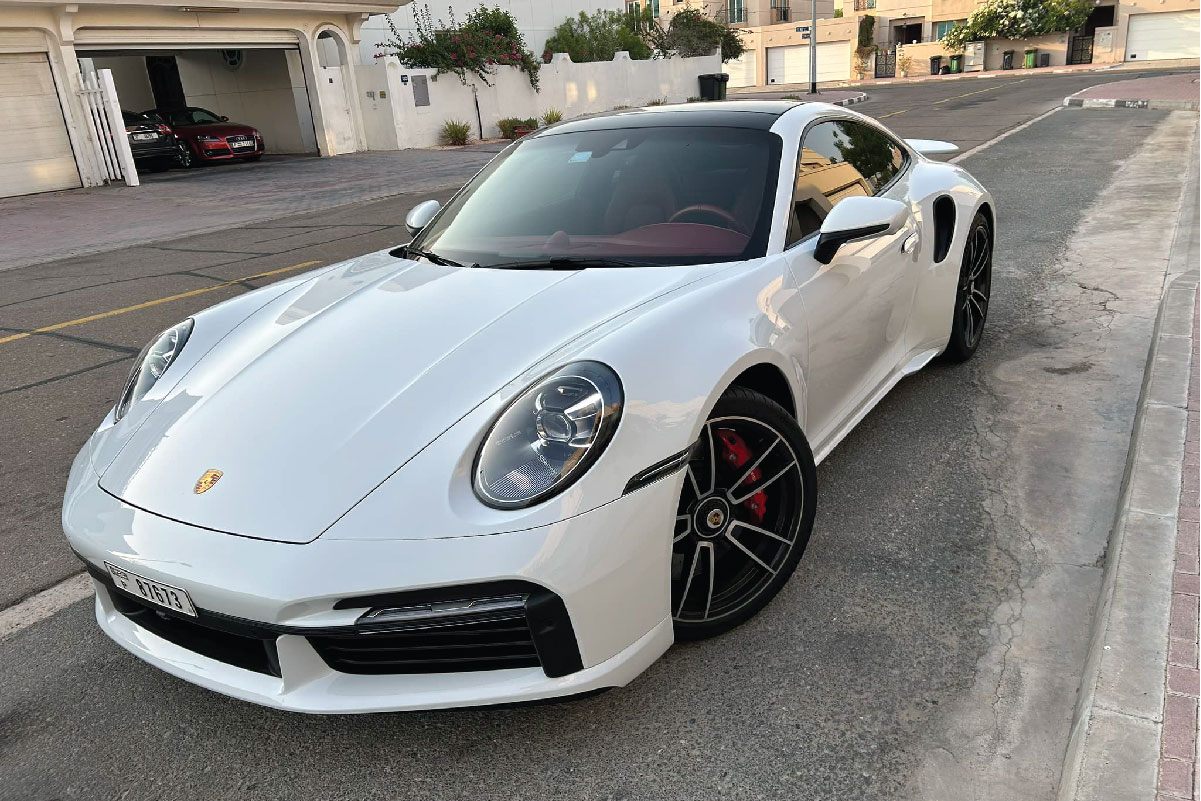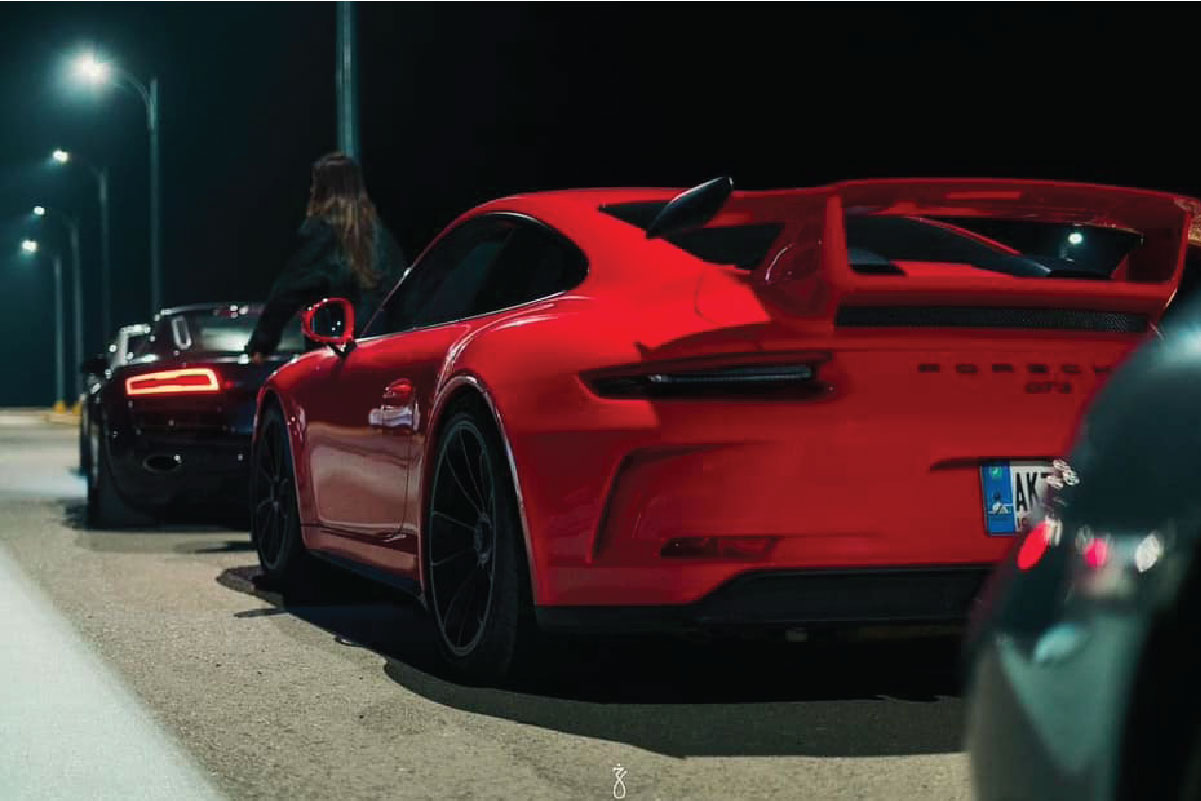
The sports car world is facing a challenge it can’t outrun. No matter how efficient engines have become, the age of emissions regulations is closing in fast, and even icons like the Porsche 911 must adapt. What makes Porsche’s approach fascinating isn’t desperation or compromise. It’s persistence. The company doesn’t want to turn the 911 into something it’s not. Sustainability for Porsche isn’t about abandoning heritage; it’s about engineering a future where the 911 can still exist.
Porsche has already invested heavily in synthetic e-fuels. The Chilean Haru Oni plant, constructed with Siemens Energy partners, is one of the clearest indications that Porsche sees carbon-neutral combustion as a path forward. Unlike electric enthusiasm that rewrites automotive DNA, synthetic fuels allow the 911 to keep its flat-six heartbeat alive. They give combustion a future, not just a history. For loyalists, that matters more than any headline about battery capacity.
Yet electrification will still influence the car. Hybridization is coming, and prototypes spotted testing near Weissach suggest a system designed not for silence, but for torque deployment. Unlike mainstream hybrids built for fuel saving, a hybrid 911 may use electric power to sharpen acceleration, fill torque gaps, and enhance track performance. We could see a Carrera or GTS variant where electricity becomes a performance tool, much like turbocharging did decades ago. If Porsche repeats that success, the hybrid era could become another evolution, not a sacrifice.
Full EV transformation remains a question mark. Porsche already has the Taycan dominating electric prestige segments, but transferring that architecture to a 911 isn’t straightforward. The weight distribution and rear-engined physics are what give the 911 its character. Replace the engine with a battery pack and you risk erasing what makes the chassis unique. A silent, heavy 911 would be fast, but fast doesn’t equal meaningful. Porsche won’t rush a reinvention unless it can preserve the driving soul.
The sustainable 911 isn’t just about powertrains. Manufacturing methods are evolving. Porsche has transitioned factories to renewable sources, reduced production waste, and expanded recycled materials in interiors. Sustainability becomes a design principle, not a marketing slogan. Even regional markets such as Porsche 911 UAE are seeing infrastructure improvements, from charging facilities to initiatives promoting cleaner motorsport events. A greener 911 future isn’t just happening in Europe; it’s global.
Ultimately, the 911 must survive without betraying itself. If e-fuels take hold, the car could remain a combustion masterpiece long after other sports cars turn into silent rockets. If hybridization brings sharper precision, enthusiast culture will adjust the same way it did when turbos became mainstream. Porsche doesn’t panic under regulation pressure; it engineers its way through it.
The future of sustainability in the Porsche 911 isn’t about mourning combustion or idolizing electric revolution. It’s about keeping a driving experience alive in a world where regulations are tightening. The goal isn’t to save a car. It’s to save a feeling.
- Trends and Culture
- 09/12/2025