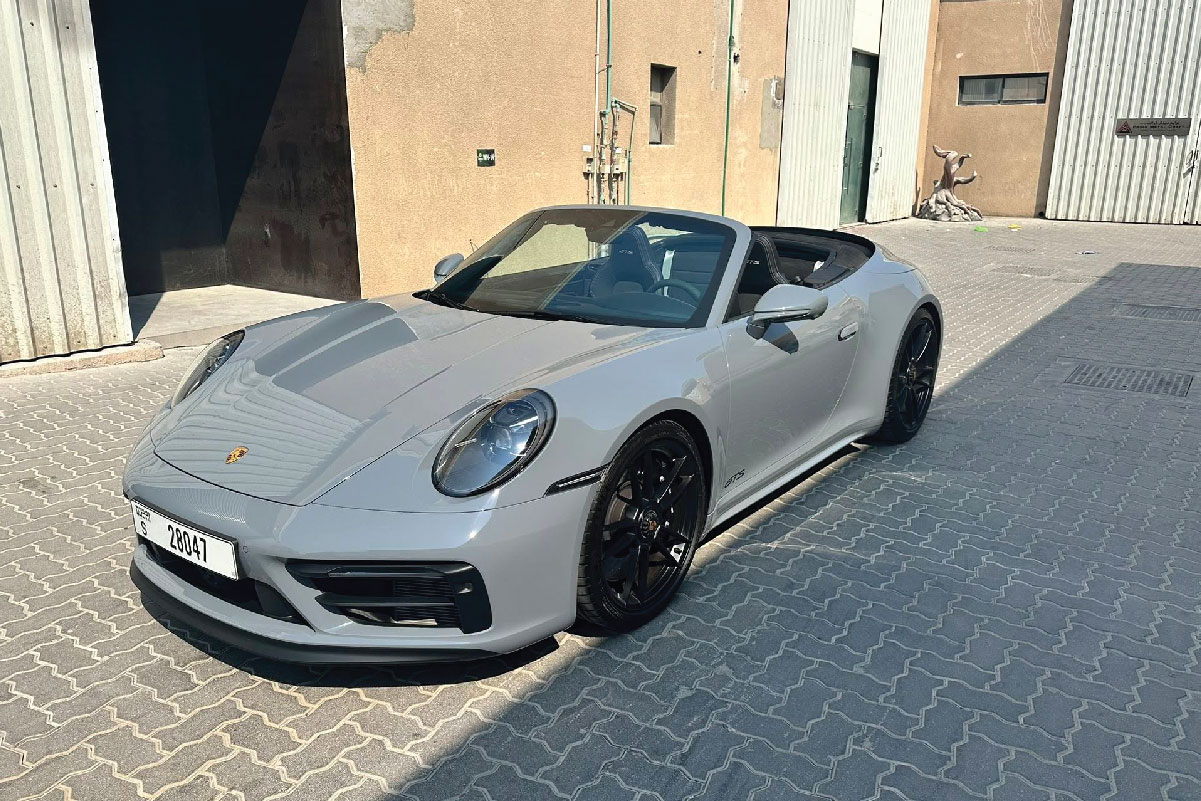
Weight reduction has always been a core philosophy of Porsche’s high-performance models, especially the 911 GT3. Even though Porsche engineers carefully balance weight, aerodynamics, and power, enthusiasts often take things further by modifying their GT3 to reduce unnecessary mass. A lighter car accelerates faster, brakes harder, corners sharper, and delivers a more visceral driving experience.
This in-depth article explores the most effective weight-reduction modifications for the Porsche 911 GT3 while maintaining reliability, drivability, and track performance.
Why Weight Reduction Matters for the GT3
The 911 GT3 is engineered with motorsport DNA. Reducing weight directly enhances:
- Acceleration
- Handling agility
- Tire grip
- Brake performance
- Fuel efficiency
- Track consistency
Even a reduction of 20–40 kg results in noticeable improvements during high-speed cornering and braking zones. This is why many enthusiasts who participate in Porsche Events Dubai and track sessions seek strategic, safe weight-saving mods.
Carbon Fiber Body Panels
Replacing factory body components with carbon fiber is one of the biggest ways to save weight without compromising structural integrity.
Hood Replacement
The factory hood is already lightweight, but a carbon fiber hood can reduce several kilograms. It also shifts weight away from the front, improving turn-in.
Carbon Fiber Fenders
These panels reduce mass where it matters: over the front wheels. Lighter fenders improve steering response and reduce roll.
Roof Conversion
The GT3 already uses lightweight materials, but a carbon fiber roof lowers the center of gravity significantly, enhancing overall stability.
Lightweight Wheels
Wheels are part of the car’s unsprung mass, meaning weight savings here have a huge impact.
Forged Wheels
Forged wheels reduce rotating mass, making acceleration noticeably quicker and improving suspension compliance.
Magnesium Motorsport Wheels
Track enthusiasts sometimes upgrade to magnesium, which lowers weight even further, though durability must be monitored.
Titanium or Inconel Exhaust Systems
The factory GT3 exhaust performs well but can be substantially heavier than aftermarket lightweight systems.
Titanium Exhaust
Switching to a full titanium system reduces 8–12 kg, depending on the brand. It also enhances throttle response and produces a sharper sound.
Inconel Exhaust
Used in motorsport, Inconel reduces weight while maintaining heat resistance. It’s more expensive but offers the best performance.
Owners in Porsche 911 Dubai often choose these systems due to their durability in high-temperature climates.
Interior Weight Reduction
The interior offers surprising weight-saving potential without removing comfort entirely.
Bucket Seats
Swapping stock seats for carbon fiber buckets can save up to 15–20 kg. Porsche’s factory carbon buckets are excellent, but aftermarket seats can be even lighter.
Lightweight Battery
Lithium-ion batteries weigh significantly less and provide stronger cranking performance.
Rear Seat Removal
GT3 models typically don’t have rear seats, but some owners still remove insulation and brackets for additional savings.
Carpet and Sound Deadening Removal
This mod creates a more track-focused feel and reduces several kilograms, though it increases cabin noise.
Windows and Glass Options
Lightweight glass is an advanced mod that significantly reduces weight higher up on the vehicle.
Polycarbonate Rear Window
A popular track upgrade that can lower weight by 3–5 kg.
Thin-Glass Side Windows
These save weight without compromising visibility.
Suspension and Brake Weight Optimization
Aluminum or Titanium Suspension Components
Upgraded control arms and links reduce unsprung mass while improving stiffness.
Brake Upgrades
Switching to PCCB (ceramic brakes):
- Saves weight
- Reduces brake fade
- Enhances agility
Many GT3 owners in the Porsche 911 Community choose ceramics for both performance and visual impact.
Removing Unnecessary Features
Even small removals add up:
- Front trunk liner
- Electric mechanisms
- Heavy speakers
- Interior plastics
- Stock muffler brackets
The key is balancing comfort with performance goals.
Professional Weight Reduction Packages
Specialist shops offer comprehensive GT3 weight-reduction builds that include:
- Roll cage addition (chromoly or titanium)
- Aerodynamic component replacements
- Floor panel modifications
- Track-focused interior redesign
These packages are popular among competitive track drivers.
Conclusion
Weight reduction on a Porsche 911 GT3 transforms the car into a sharper, faster, and more track-capable machine. Whether through carbon fiber panels, lightweight exhaust systems, forged wheels, or interior adjustments, each modification contributes to a more responsive driving experience. Porsche engineered the GT3 to be elite, but careful weight reduction elevates it to another level—especially for drivers participating in professional or enthusiast track events worldwide.
- Performance and Specs
- 07/12/2025