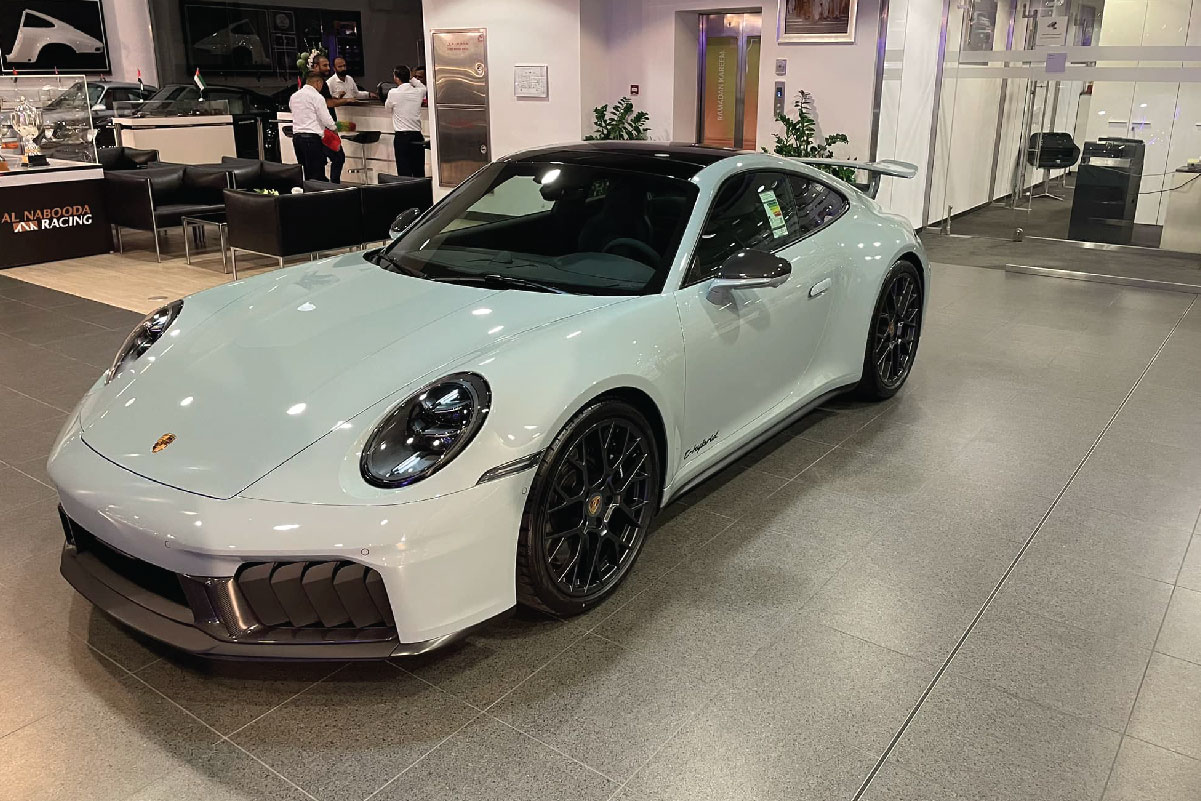
Braking performance is one of the most important aspects of a sports car, and in the Porsche 911, it plays a crucial role in defining how the car behaves on the road and on the track. Over the years, Porsche has offered two main braking systems: the standard steel brakes and the high-performance Porsche Ceramic Composite Brakes (PCCB). While both systems are engineered to the highest standards, they serve different needs, driving styles, and budgets.
To help enthusiasts and potential buyers understand which option is best, this article provides a complete comparison based on performance, durability, maintenance, and real-world usage—especially in high-heat regions such as Porsche 911 Dubai environments.
Understanding Porsche’s Standard Steel Brakes
Standard steel brakes are the traditional braking system found on many 911 models. Porsche uses high-carbon steel rotors combined with multi-piston calipers to deliver reliable stopping power.
Construction and Components
The rotors are cross-drilled and internally vented to ensure heat dissipation. Steel brakes use high-performance pads designed for both daily driving and occasional spirited runs. The calipers—often finished in black or red—are engineered to provide balanced pressure across the rotor surface.
Real-World Performance
Steel brakes offer predictable stopping power in day-to-day driving. They warm up quickly, making them ideal for city traffic and urban commutes. Drivers appreciate their consistency and feel, which some enthusiasts prefer over ceramics because of the more linear pedal feedback.
Advantages of Steel Brakes
- Lower replacement cost
- Better initial bite during normal conditions
- Quicker warm-up time
- More forgiving for non-track use
- Suitable for climates with regular temperature cycles
Limitations
Steel brakes are more prone to fading during repeated high-speed stops, especially during track sessions. They also accumulate brake dust more quickly and are heavier compared to ceramics.
What Are Porsche Ceramic Composite Brakes (PCCB)?
Porsche Ceramic Composite Brakes represent the brand’s flagship braking technology. PCCB rotors are made of carbon-ceramic material designed to withstand extreme heat without warping or fading.
How PCCB Works
Ceramic rotors can operate at significantly higher temperatures than steel. They resist heat-induced deformation, maintain stable friction under load, and shed unsprung weight, improving handling and steering response.
Advantages of PCCB
- Extreme Heat Resistance
Even under repeated high-speed stops—especially during track days—PCCB resists fade. This makes them ideal for owners who frequently push their 911 to its limits.
- Lower Weight
Ceramic rotors are nearly 50 percent lighter than steel. Less unsprung weight improves:
- Cornering precision
- Ride quality
- Acceleration response
- Longevity
PCCB rotors can last significantly longer than steel when used on the road. Many drivers report usage well beyond 100,000 km without rotor replacement.
- Cleaner Appearance
Ceramic brakes produce far less brake dust, keeping wheels cleaner during events, meetups, and displays at Porsche Events Dubai.
Limitations of PCCB
Ceramic brakes also come with notable considerations:
- Very expensive to replace
- Require warm-up during cold weather
- Can be damaged by gravel or poor road conditions
- Longer stopping distances when cold
This is why some drivers in the Porsche 911 UAE community prefer steel brakes for daily driving and reserve ceramics for track-focused builds.
Braking Feel: Steel vs Ceramic
Enthusiasts often point out differences in pedal feel:
Steel Brakes Feel
- Strong initial bite
- More aggressive deceleration at low speeds
- Predictable modulation
Ceramic Brakes Feel
- Softer initial bite
- Sharper performance as they warm up
- Superior endurance under heavy stress
Some prefer the analog feel of steel, while track drivers appreciate the stability of PCCB under continuous braking loads.
Maintenance and Costs
Steel Brakes
- Cheaper rotors and pads
- Frequent pad changes if driving aggressively
- More brake dust and cleaning required
Ceramic Brakes
- Extremely expensive rotor replacements
- Pads cost more but last longer
- Require careful handling to avoid rotor damage
Which Brake System Should You Choose?
Choose Steel Brakes If:
- You daily-drive your 911
- You prefer stronger initial bite
- You drive in mixed city-highway conditions
- You want lower maintenance costs
Choose PCCB If:
- You attend regular track days
- You demand maximum braking stability
- You value reduced unsprung weight
- You want minimal brake dust and exceptional longevity
Conclusion
Both steel brakes and PCCB offer exceptional performance for the Porsche 911. The best choice depends on your driving habits, climate, and long-term budget. Steel brakes provide unbeatable value for normal use, while PCCB delivers elite performance at the top end of motorsport capability. Regardless of your choice, Porsche’s engineering ensures that every 911 offers world-class braking confidence and control.
- Performance and Specs
- 07/12/2025