Introduction
The clash between the Porsche 911 and the Ferrari 296 GTB presents an intriguing contrast between engineering philosophies. The 911 represents six decades of evolutionary refinement, while the 296 GTB showcases Ferrari’s newest hybrid innovation. Both cars offer staggering performance, but they appeal to very different types of drivers. This article explores how these two icons compare in real-world driving, track performance, design, technology, and ownership experience.
Design Language: German Purity vs. Italian Emotion
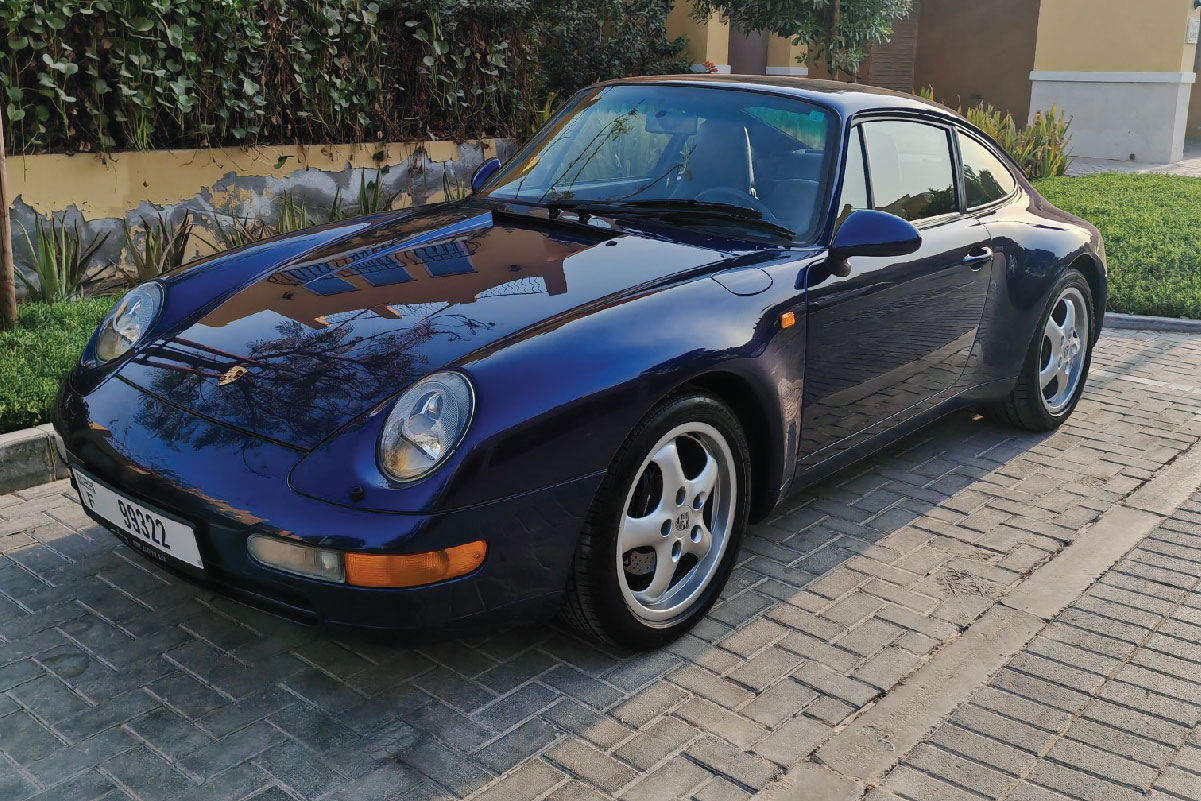
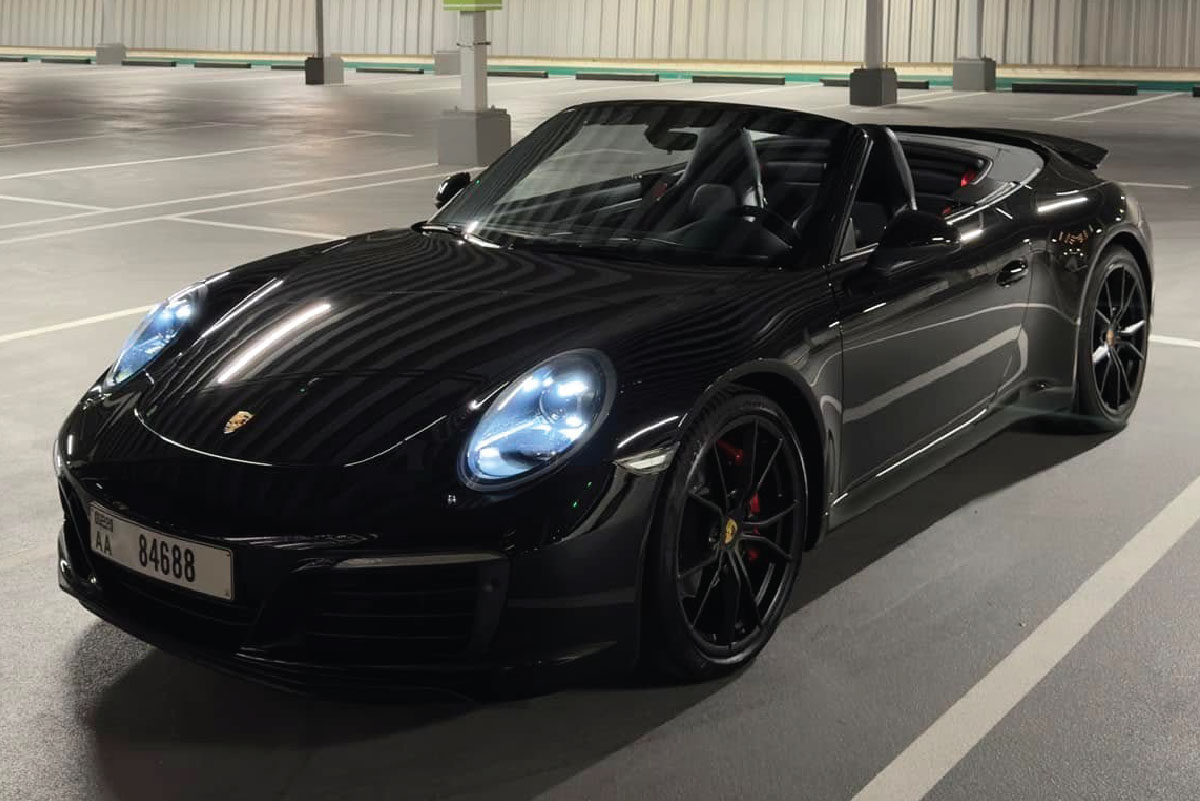
The Porsche 911 maintains a design continuity rarely seen in the automotive world. Its shape—smooth, taut, and balanced—reflects functionality and engineering purpose. Every curve benefits aerodynamics, cooling, or stability. Porsche buyers in regions such as Porsche Dubai appreciate this understated elegance, where luxury blends with subtle confidence.
Ferrari’s 296 GTB, meanwhile, embraces dramatic Italian emotion. The bodywork is sculpted with sharp aerodynamic channels, floating wings, and deep air intakes. The car looks like a piece of moving artwork, designed to capture attention instantly. Ferrari’s design philosophy prioritizes visual drama and aerodynamic efficiency simultaneously, resulting in a car that is both beautiful and aggressively functional.
Powertrain and Hybrid Performance
The Ferrari 296 GTB centers around a revolutionary 3.0-liter twin-turbo V6 paired with an electric motor, producing nearly 830 horsepower. This hybrid system enables astonishing acceleration, near-silent electric driving in urban environments, and instant torque delivery on track. Ferrari uses hybrid technology to amplify emotional performance, not just boost efficiency.
The Porsche 911 lineup includes turbocharged flat-six engines that provide linear power delivery, high rev ranges, and excellent thermal management. Hybrid assistance, available in 2025 Carrera and GTS variants, is subtle and efficiency-focused—supporting torque fill, lowering emissions, and improving drivetrain smoothness without compromising the classic 911 character. While the 911 does not match the 296 GTB’s raw output, it delivers a purity of engineering that appeals to long-term enthusiasts.
Driving Experience: Precision vs. Explosive Emotion
The Porsche 911 is celebrated for its balance. The rear-engine architecture—refined over generations—creates a unique driving feel that blends stability, agility, and confidence. Steering is crisp, brakes are predictable, and the chassis communicates every nuance of the road. Whether cruising highways or exploring mountain roads, the 911 remains accessible and enjoyable for drivers at all skill levels.
The Ferrari 296 GTB, on the other hand, is a sensory overload. The V6 hybrid powertrain delivers explosive acceleration, while the chassis provides razor-sharp responses. The car feels alive, impatient, and endlessly eager to push harder. Ferraris are built to thrill, and the 296 GTB embodies this philosophy completely. It offers an intensity the 911 intentionally avoids.
Track Capability
On track, the Ferrari 296 GTB is unquestionably faster. Its downforce, hybrid torque delivery, and lightweight construction place it among the top-performing cars in the world. It is designed for drivers who want extreme performance.
The Porsche 911 provides a different kind of thrill. While it may not match Ferrari’s lap times in its standard trims, the 911 rewards consistency, precision, and rhythm. Track events such as those organized within Porsche Events Dubai highlight the 911’s ability to perform repeatedly without excessive heat or wear.
Interior Experience and Technology
Porsche’s interior emphasizes minimalism, ergonomic layout, and intuitive technology. It is a car for drivers who want clarity over visual drama. Practicality is another advantage: the 911 has a usable rear seat, better storage, and more comfortable daily driving.
Ferrari’s cabin is a dramatic blend of digital and emotional design. Screens, carbon fiber, sculpted panels, and performance-oriented details dominate the cockpit. The environment feels like a racecar adapted for the street—magnificent but less practical.
Ownership, Reliability, and Cost
One of the defining differences appears when discussing ownership. Porsche has a legendary reputation for reliability among high-performance brands. Maintenance is structured, predictable, and supported by a strong global service network.
Ferrari ownership is more exclusive but also more complex. Running costs are higher, service intervals can be expensive, and depreciation varies significantly.
For daily drivers and long-term dependability, the 911 is unmatched. For emotional impact and exclusivity, Ferrari takes the crown.
Conclusion
The Porsche 911 and Ferrari 296 GTB represent two different visions of sports car excellence. The 296 GTB is a breathtaking technological masterpiece, offering unrivaled hybrid performance and emotional drama. The 911 remains the king of refinement, versatility, and long-term usability. Choosing between them depends on whether the driver values sensation or precision. Both are icons, but the experience they offer is shaped by different philosophies—and both remain deeply respected within the global Porsche 911 Community
- Comparisons and Rivals
- 29/11/2025