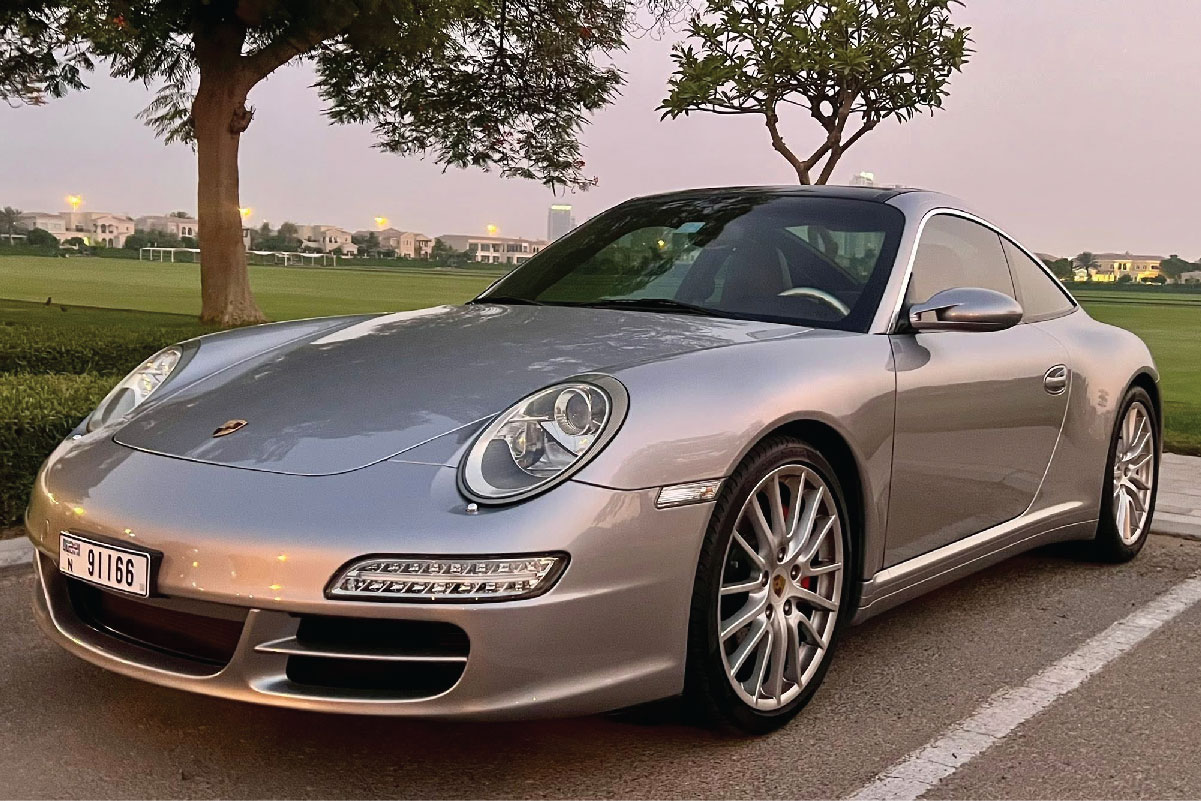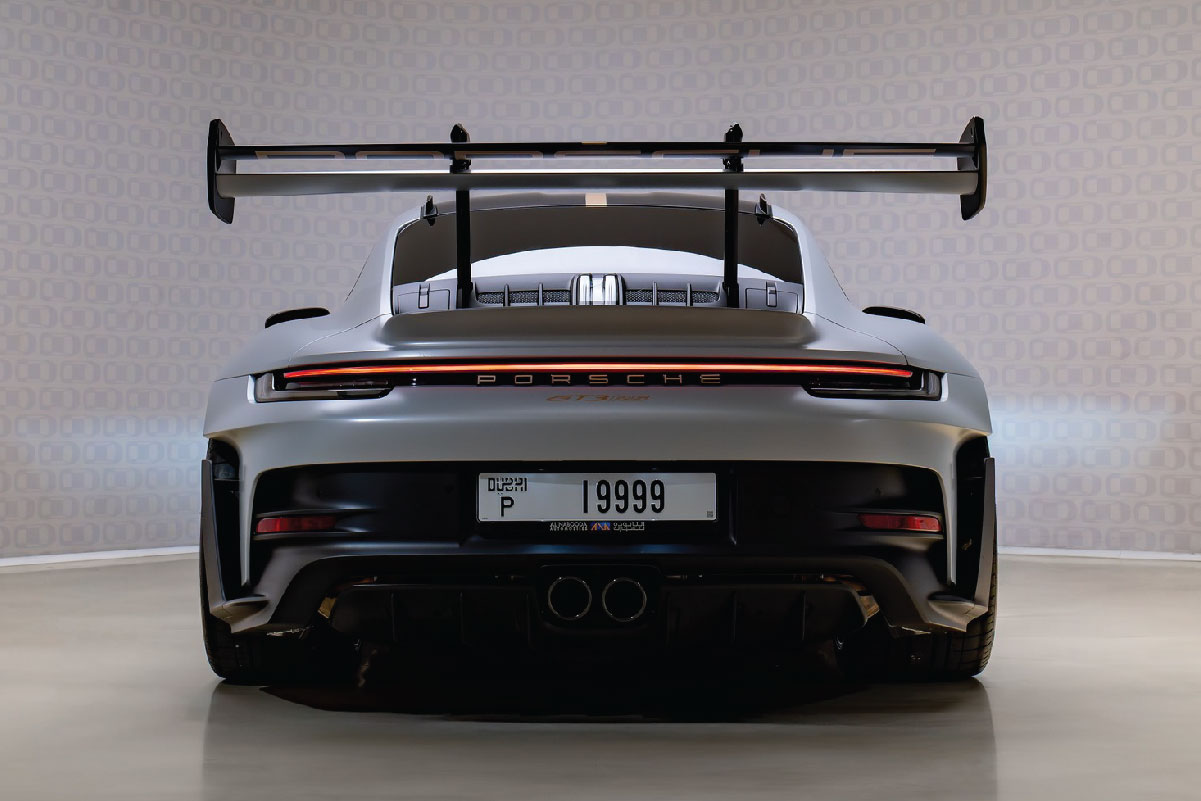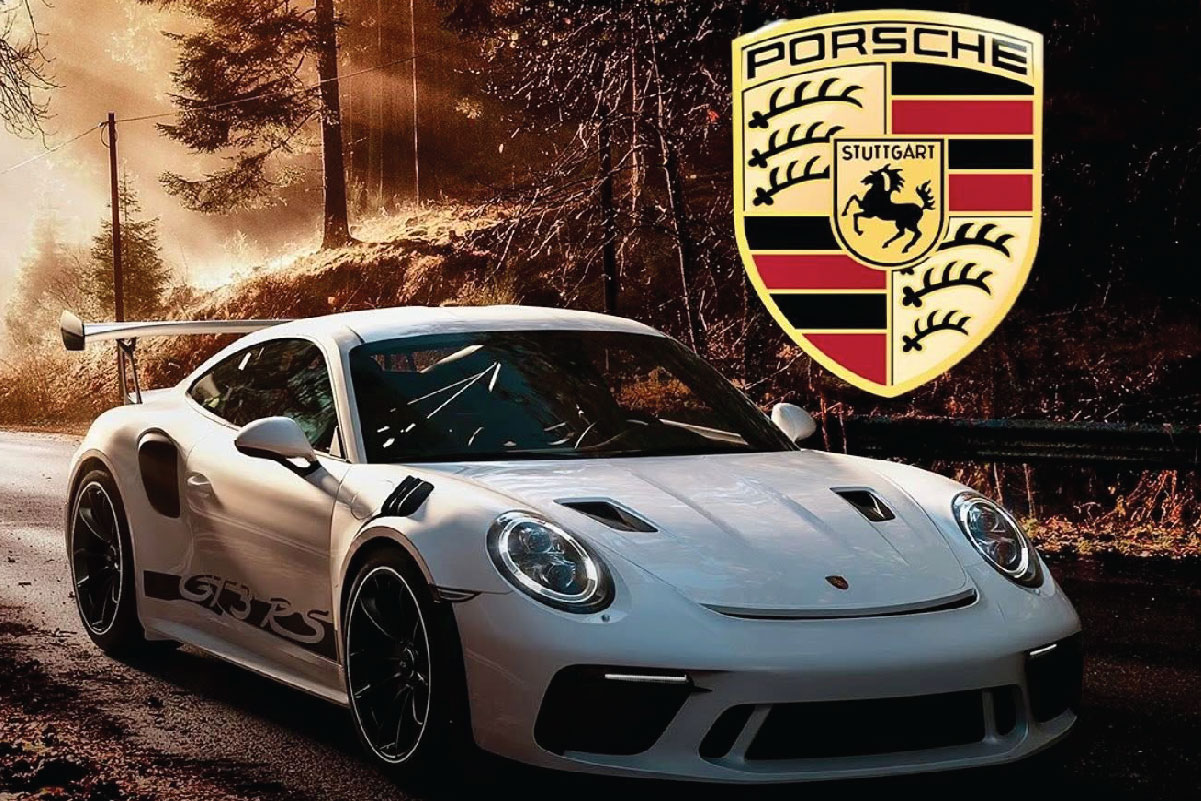
Track enthusiasts have long debated the Porsche 911 vs. BMW M4 rivalry. These two performance icons represent different schools of engineering. The 911, with its rear-engine layout and decades of motorsport evolution, has become the benchmark for driving purity. The BMW M4, meanwhile, offers front-engine aggression, massive power, and a muscular personality that appeals to drivers who value brute strength and sharp styling. Understanding which car leads on the track requires a detailed look at handling, power delivery, braking, and stability under pressure.
Engineering Foundations: Two Different Philosophies
The Porsche 911 is engineered with a rear-engine layout — a design that challenges traditional automotive principles but delivers extraordinary traction and balance when mastered. Porsche has refined this formula for over 60 years, making the modern 911 one of the most stable high-performance cars at speed.
The BMW M4, on the other hand, embraces a classic front-engine, rear-wheel-drive approach. Its long hood, wide stance, and aggressive proportions create a traditional sports coupe feel. Its engineering favors high-speed stability and muscular torque delivery, giving it a more explosive character compared to the 911’s precision-based approach.
Power and Acceleration
The BMW M4, especially the Competition model, generates tremendous power through its twin-turbo inline-six engine. It produces explosive acceleration, especially on straights, where its raw torque allows it to surge ahead quickly.
Porsche 911 models vary widely across the lineup, but even a standard Carrera delivers fast, consistent acceleration with incredibly smooth turbocharging. Higher-end models like the Carrera S, GTS, and Turbo variants outperform the M4 effortlessly in straight-line runs.
Yet performance on track is not just about horsepower — it is about how power is delivered, how long the car can maintain speed, and how stable it remains under braking.
Handling and Cornering Behavior
Handling is where the Porsche 911 has historically dominated. The rear-engine layout provides exceptional traction exiting corners, and Porsche’s chassis tuning makes every generation feel planted and balanced. The steering feedback in the 911 remains one of the best experiences in the automotive world, whether driving in Europe, the United States, or high-performance communities like Porsche 911 Community gatherings in the UAE.
The BMW M4 has improved dramatically in recent generations, with better suspension geometry, adaptive dampers, and upgraded steering calibration. However, the car remains heavier than the 911, and its weight distribution gives it a different character. The M4 is stable, predictable, and powerful, but it cannot match the 911’s cornering fluidity.
On technical tracks with multiple direction changes, the 911 usually comes out ahead. On high-speed circuits that reward brute power, the M4 can close the gap.
Braking Stability and Track Endurance
Braking is another critical category. The Porsche 911’s lightweight design, combined with exceptionally engineered brake systems, gives it superior stability under hard braking. Porsche’s optional PCCB ceramic brakes are some of the best in the industry, offering fade resistance that is hard to match.
The BMW M4 also offers ceramic brake options, but its heavier weight means longer braking distances and more stress over multiple laps. Track endurance favors the 911, which manages heat better and maintains consistent lap times without losing composure.
Driver Confidence and Feel
A key difference between the two cars lies in driver confidence. The 911 is engineered to communicate clearly with the driver. Its steering, chassis response, throttle feel, and braking all work together to create a confidence-building feedback loop.
The M4 delivers excitement through sheer power and aggression. It is thrilling and dramatic, especially in drift-friendly modes, but it demands more corrective input at high speeds.
For drivers seeking precision, the 911 provides a more connected experience. For those who enjoy controlled chaos and muscular driving, the M4 feels more rewarding.
Track-Day Practicality
Owning a track car also means thinking about running costs, reliability, and wear over time. The Porsche 911 is known for exceptional durability, with many models performing reliably on both road and track. Communities like Porsche Events UAE often emphasize how well-maintained 911s hold up during repeated track days.
The BMW M4 is also solidly engineered but tends to experience higher brake wear, tire wear, and heat buildup during aggressive sessions.
Conclusion
Both the Porsche 911 and BMW M4 deliver extraordinary performance, but their strengths lie in different areas. The 911 remains the precision tool — balanced, agile, confidence-inspiring, and track-proven. The M4 is the powerhouse — fast, loud, thrilling, and muscular. Drivers seeking finesse, heritage, and consistent lap times will choose the 911. Those drawn to aggressive power and bold personality will find the M4 irresistible. Ultimately, both cars showcase the very best of their brands, and choosing between them depends on driving style and emotional preference.
- Comparisons and Rivals
- 06/12/2025