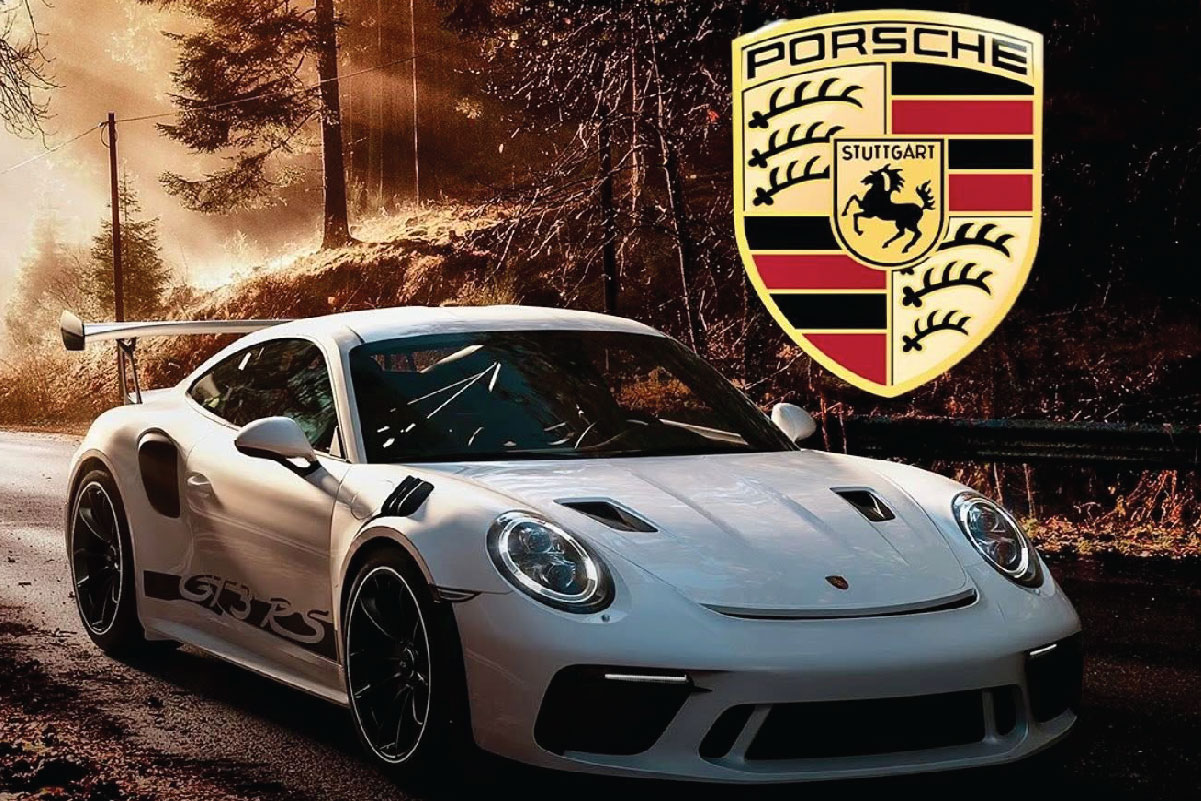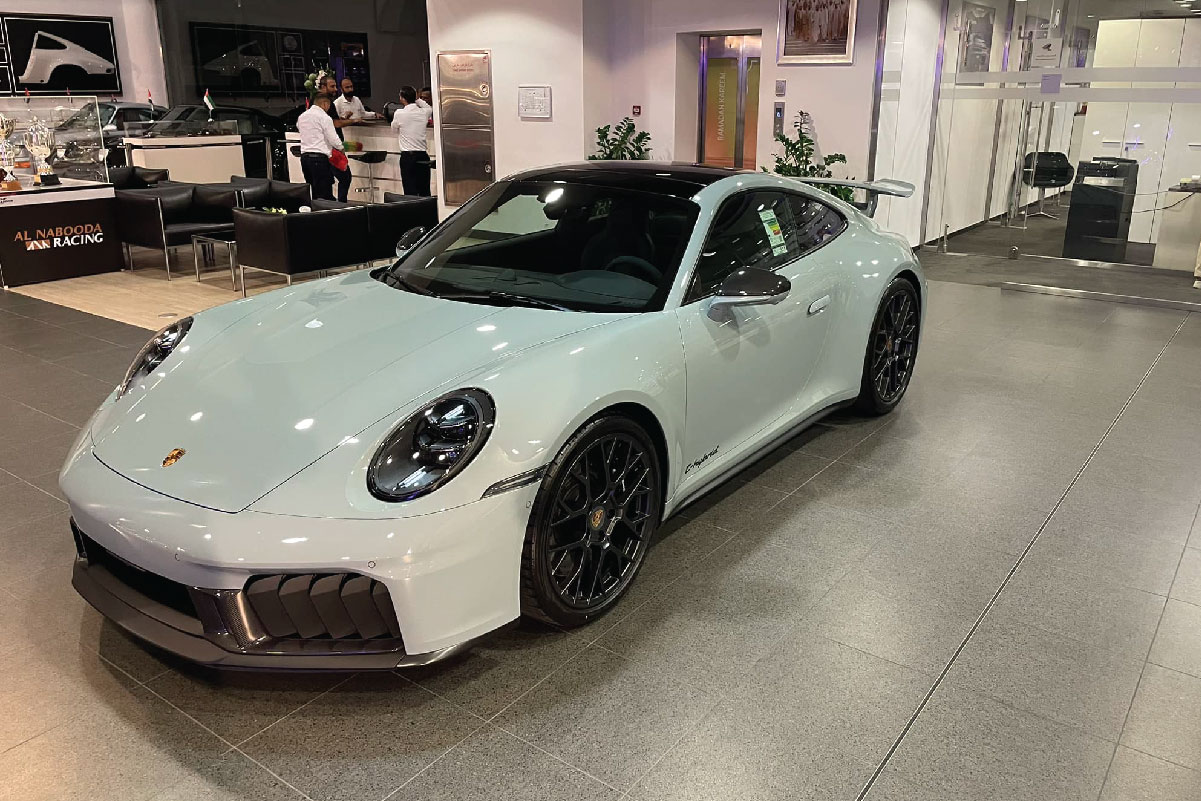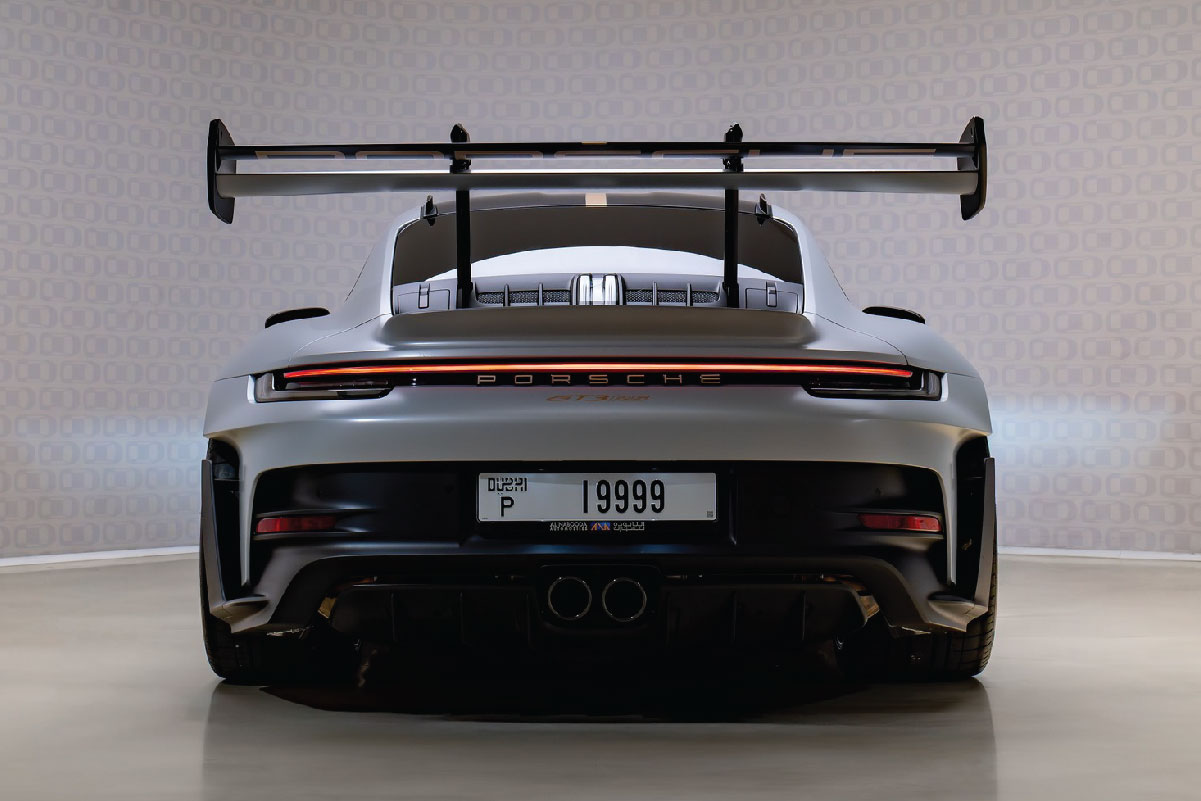
The Porsche 911 has enjoyed one of the longest and most successful motorsport careers of any production-based race car. Nowhere is this legacy clearer than in IMSA and the GT World Cup, where the 911 has spent decades battling—and beating—some of the fastest GT racing machines ever built. The car’s success across these championships is not accidental; it is the result of Porsche’s relentless development, engineering adaptability, and unwavering motorsport philosophy.
Early IMSA Years: Laying the Foundation
Porsche’s involvement in IMSA dates back to the early 1970s, when the 911 began appearing in GT categories. Its combination of reliability, rear-engine traction, and lightweight construction made it an immediate contender. The early 911 RSR models shocked American audiences by outperforming more powerful V8 competitors on technical circuits. The flat-six engine, known for its durability, gave Porsche an advantage in endurance formats where consistency mattered more than raw horsepower.
The Dominance of the 911 RSR
By the late 1970s and early 1980s, the 911 RSR had evolved into a championship-winning machine. Porsche engineers refined aerodynamics, upgraded suspension geometry, and introduced stronger braking systems. These improvements allowed the 911 to maintain high cornering speeds and survive punishing races like the 12 Hours of Sebring and the 24 Hours of Daytona. Many IMSA veterans still recall that era as one where the RSR felt nearly unstoppable.
IMSA GTP Influence and the Turbo Era
While Porsche’s 962 prototype dominated the GTP category, the 911 continued to shine in GT competition. Turbocharged variants, developed from lessons learned with the legendary 935, entered IMSA with impressive performance. The introduction of forced induction brought dramatic gains in power and acceleration, making the 911 one of the most feared platforms in the field. Even today, collectors and racers regard IMSA-spec 911 Turbos as some of the most thrilling machines Porsche ever produced.
Modern IMSA Success: The 991 and 992 RSR
In recent years, the modern 911 RSR has redefined Porsche’s presence in IMSA. The 991-based RSR famously relocated its exhaust system and adopted a radical aerodynamic package that improved balance and stability. The latest 992 RSR continues this evolution with upgraded suspension geometry, enhanced brake cooling, and a more efficient underbody design. These improvements have helped Porsche secure podiums and victories, reinforcing the 911’s role as a benchmark in GT racing.
Porsche in the GT World Cup: Global Competition at Its Finest
Beyond IMSA, the Porsche 911 has also become a dominant force in the GT World Cup, hosted annually in Macau. The tight, unforgiving street circuit demands precision and stability—qualities the 911 naturally excels at. The car’s poised handling, rear-engine traction, and aerodynamic efficiency make it exceptionally suited to high-pressure qualifying laps. Many GT World Cup drivers praise the 911 for offering superior confidence through Macau’s dangerous high-speed sections.
Drivers Who Shaped the 911’s GT Legacy
Countless world-class drivers have achieved success behind the wheel of the 911 in IMSA and GT competitions. Their contributions have become part of motorsport history, inspiring new generations of racers. Drivers often mention that the 911 “rewards bravery” and “punishes hesitation,” reflecting the car’s precise, unforgiving race-focused personality.
The Role of Customer Racing Programs
A major reason for Porsche’s dominance in IMSA and GT World Cup lies in its extensive customer racing network. Porsche provides teams with factory-supported parts, engineering guidance, and trackside assistance. This broad ecosystem helps maintain competitive balance among customer teams while preserving the legendary reliability of Porsche race cars.
The strength of this network is also visible in global enthusiast communities, including the thriving Porsche 911 Community in the Middle East. Events held in Porsche 911 Abu Dhabi and major racing showcases linked with Porsche Events Dubai often highlight the motorsport spirit that drives the brand forward.
Engineering Advantages That Make the 911 a GT Champion
The 911’s racing success is built on key strengths:
- Rear-engine traction that enhances acceleration out of corners
- Stable aerodynamic platform that maintains balance at high speeds
- A flat-six engine renowned for reliability and predictable power delivery
- Exceptional braking stability due to rear weight bias
- Porsche’s continuous improvement of the RSR platform
These advantages give the 911 a competitive edge on both fast, sweeping IMSA circuits and the narrow streets of Macau.
Conclusion
The Porsche 911’s impact on IMSA and the GT World Cup is unmatched. Across decades of racing evolution, the 911 has proven its ability to adapt, innovate, and triumph against fierce competition. Its record is a testament to Porsche’s engineering excellence and the passion of the global motorsport community that continues to celebrate the 911 as one of racing’s greatest platforms.
- Racing and Motorsport
- 06/12/2025