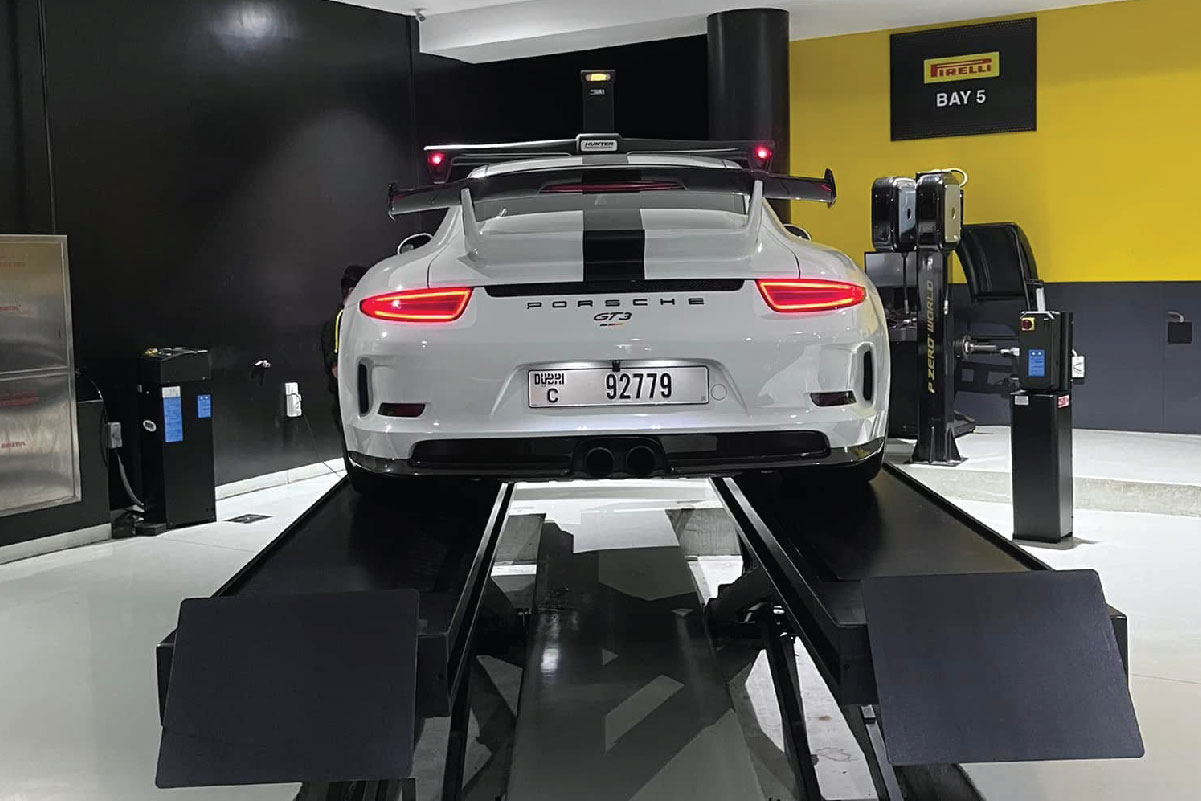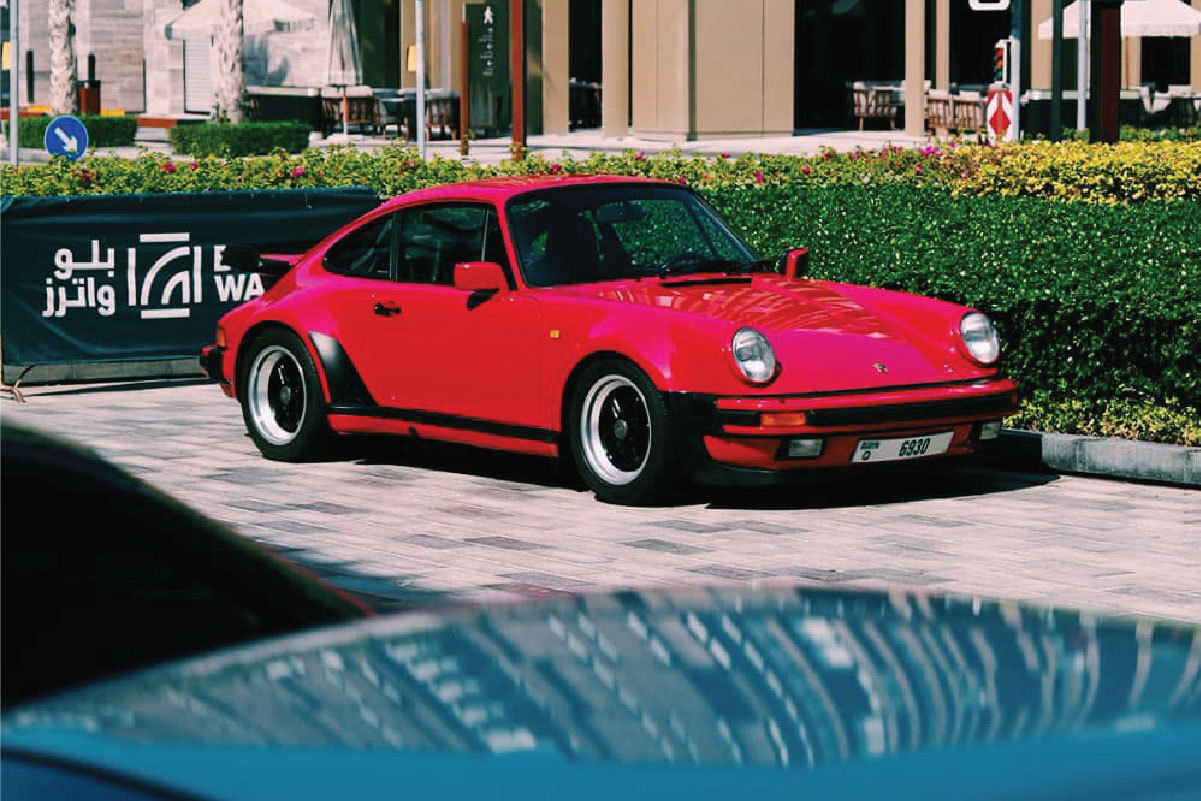
The Porsche 911 has evolved continuously for more than sixty years, and one of the most dramatic shifts in its history is the transition toward hybrid technology. This shift raises an essential question among enthusiasts: How do classic air-cooled and early water-cooled 911s compare to the modern hybrid-assisted models now emerging? Understanding the differences reveals how Porsche preserves tradition while embracing innovation. Classic 911 culture is alive and thriving, especially within active groups like the Porsche 911 Community, yet modern hybrid 911s offer a glimpse into the future of performance.
Timeless Identity of Classic 911s
Classic 911 models—from the original 1960s designs to the last of the air-cooled 993s—carry an emotional weight that modern cars simply cannot replicate. Their driving character is defined by mechanical purity. You feel the engine through the chassis, hear every gear engagement, and experience a directness that creates connection between driver and machine. These cars rely entirely on combustion power, with flat-six engines that deliver a raw, organic sound. Classic 911s demand skill. Their rear-engine dynamics require thoughtful inputs and respect for the car’s balance. Drivers often describe the experience as analog and involving—qualities that keep classic models highly valued in regions from Europe to the Middle East.
The Rise of Hybrid 911 Models
Today’s hybrid 911 models, such as the latest Carrera GTS hybrids, represent a new chapter in Porsche evolution. These cars do not exist to replace the traditional 911 formula but to enhance it. Hybridization improves efficiency, power delivery, and responsiveness. Electric motors fill torque gaps, eliminate turbo lag, and create acceleration that feels instantaneous. Porsche retains the flat-six engine but surrounds it with technology that expands performance capabilities beyond what mechanical engineering alone can achieve.
Driving Feel: Analog vs. Augmented
The driving differences are profound. Classic 911s feel alive. They communicate texture from the road and respond to driver input with unfiltered authenticity. The sound of an air-cooled flat-six turning at high rpm is an emotional experience.
Modern hybrid 911s, however, feel more composed. Drivers benefit from stability systems, advanced torque vectoring, and electric assistance that makes the car faster and more predictable. Yet this does not mean the experience is dull. Porsche tunes hybrid systems to feel natural, with electric power blending smoothly into combustion output. The hybrid system enhances performance rather than replacing the engine’s identity.
Performance and Power Delivery
Classic 911 performance—especially early RS and Turbo models—is engaging but requires deliberate driving. Turbocharged variants like the 930 could surprise inexperienced drivers with their sudden boost. Power was thrilling but demanded mastery.
Modern hybrid 911s reshape this experience. Electric torque eliminates lag, offering smooth and instant acceleration. The power curve becomes more linear, making the car faster and more manageable. Hybrid technology also improves cornering dynamics, helping the car remain planted and predictable at high speed. This blend of power sources delivers performance levels that classic models could never achieve.
Technology and Usability
Classic 911s offer simplicity. No screens, no driver assistance systems, no complex battery integrations—just raw engineering. This simplicity contributes to their charm and long-term collectability. Owners value the ability to maintain the cars themselves or rely on specialists who understand vintage mechanical engineering.
Hybrid 911s, in contrast, provide a depth of technology that enhances usability. Features include adaptive suspension, advanced aerodynamics, regenerative braking, and intelligent cooling systems. These machines are built for modern life—commuting, long-distance travel, and track sessions.
Events such as Porsche Events UAE often showcase this contrast: restored classics parked beside cutting-edge hybrid models, highlighting Porsche’s ability to span eras while maintaining a consistent identity.
Cultural Appeal and Community
Classic 911 ownership represents tradition. Enthusiasts gather at car meets, restoration workshops, and heritage events. The camaraderie is built around mechanical understanding and historical appreciation.
Hybrid 911 owners often represent a younger generation or drivers with a technological mindset. They enjoy the blend of classic performance DNA with sustainability-driven engineering. Both communities overlap yet offer distinct experiences within larger global groups like the Porsche 911 Community, where diversity of models strengthens the culture.
Conclusion
Comparing classic Porsche 911s to modern hybrid 911s reveals how the brand has remained true to its philosophy while embracing innovation. Classic models deliver analog purity and emotional depth. Hybrid 911s push performance into the future with precision and efficiency. Together, they tell a story of evolution, continuity, and engineering mastery—ensuring the 911 remains relevant for enthusiasts from every generation.
- Comparisons and Rivals
- 07/12/2025