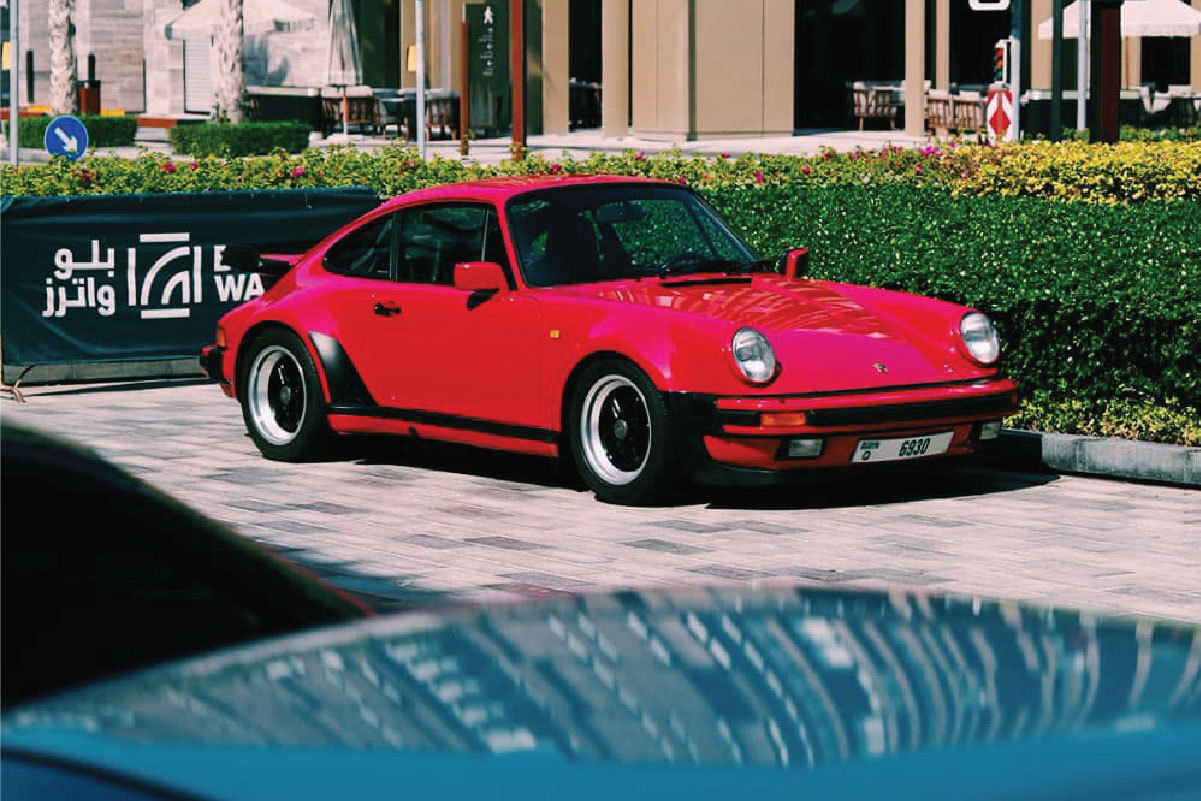
Wheels are more than just functional parts of a Porsche 911—they are defining elements of its style, stance, and driving personality. For decades, enthusiasts have debated whether the iconic Fuchs wheels or modern wheel designs best complement the Porsche 911. Each wheel style carries unique performance characteristics, aesthetic identity, and historical significance. Understanding these differences helps owners choose the perfect match for their build, whether they want classic charm or modern aggression.
The Iconic Fuchs Wheel: A Porsche Legend
The Fuchs wheel was introduced in 1967 and became one of the most recognizable automotive wheel designs ever created. Its distinctive five-leaf shape was originally developed for the 911S model.
Why Fuchs Wheels Became Legendary
The Fuchs design is admired for:
- Lightweight forged construction
- Excellent strength-to-weight ratio
- Timeless aesthetic
- Perfect alignment with classic 911 proportions
Fuchs wheels reinforce the purity of the 911’s long-hood silhouette, making them ideal for classic builds and backdate projects celebrated within the Porsche 911 Community.
Modern Wheel Designs: Technology and Performance
As Porsche’s engineering has advanced, wheel technology has also evolved. High-performance wheel manufacturers like HRE, BBS, Vossen, Rotiform, and Porsche’s own OEM designers have introduced wheels that complement the aggressive stance of newer 911s.
What Modern Wheels Offer Today
- Larger Diameters and Wider Fitments
Modern 911s support wheels up to 21 inches, far beyond the original 15-inch Fuchs.
- Aerodynamic Efficiency
Certain wheel designs help manage airflow for cooling and stability.
- Improved Materials
Lightweight alloys and forged aluminum contribute to better handling.
- Aggressive Styling
Sharp spokes, concave profiles, and motorsport-inspired shapes reflect modern aesthetics.
These wheels enhance the presence of cars seen at Porsche Events Dubai, where owners often display bold, modernized builds.
Appearance and Style: Classic vs Contemporary
Fuchs: A Symbol of Heritage
The soft curves and petal-like spokes pair perfectly with:
- 1960s–1980s 911s
- Backdate builds
- Lightweight rally-style cars
They evoke nostalgia and authenticity.
Modern Wheels: A Statement of Power
Modern designs look best on:
- 991 and 992 models
- Turbo and Turbo S variants
- Track-focused GT3 and GT3 RS builds
Their larger size and sculpted profiles complement the widened arches of newer generations.
Driving Feel and Performance Differences
Fuchs Handling Characteristics
Because they are smaller and lighter, Fuchs wheels offer:
- Quick steering response
- Comfortable ride
- Ideal feel for classic suspensions
Modern Performance Wheels
Modern wheels allow:
- Larger brake clearance
- Increased traction
- Wider tires
- Better high-speed stability on modern chassis
This is especially beneficial for drivers in Porsche 911 Dubai, where road conditions and speeds often highlight the advantages of advanced wheel technology.
The Cultural Divide: Purists vs Modernists
The choice between Fuchs and modern wheels often reflects personality more than performance:
Purists Choose Fuchs Because:
- They honor Porsche heritage
- The design complements classic body lines
- They prefer authenticity and tradition
Modernists Choose Newer Wheels Because:
- They prefer aggressive styling
- They value performance benefits
- They want to personalize their car
Both groups are active in the Porsche 911 Community, which celebrates every interpretation of the 911 spirit.
Conclusion
Choosing between Fuchs wheels and modern wheel designs is ultimately a question of identity. For those who love heritage, craftsmanship, and classic purity, Fuchs wheels remain unmatched. For drivers seeking bold styling, enhanced performance, and contemporary aesthetics, modern forged wheels offer endless possibilities.
The Porsche 911 is versatile enough to carry both styles beautifully, reflecting the diversity and passion of the global Porsche community.
- Customization and Restomods
- 07/12/2025