Few cars have shaped imagination the way the Porsche 911 has. It isn’t only a machine—it’s a cultural icon. From the neon streets of Hollywood to late-night car meets in Porsche 911 Dubai, the 911 has become the superstar that doesn’t need a spotlight to feel famous. Its sloping roof, round headlights, and whistling flat-six soundtrack are instantly recognizable, even by people who don’t follow cars.
This legendary presence has made the 911 a natural actor in films, music, photography, racing documentaries, and even the evolving digital culture of the Porsche 911 Community, deeply connected to enthusiasts in Porsche Events UAE.
Hollywood’s Favorite Silhouette
The 911 has never needed dramatic camera angles to look cool—it naturally carries drama. Classic cinema adored it. Steve McQueen famously chased one in Le Mans (1971), setting the tone for decades. Over time, the Turbo became a symbol of rebellion—stylish but dangerous. Films like Bad Boys and Gone in 60 Seconds made the 911 part of the cinematic language of speed.
When directors want sophistication but not snobbery, adrenaline but not violence, they choose a 911. It’s fast without screaming. Beautiful without trying. A star without ego.
The 911 in the Age of Digital Fame
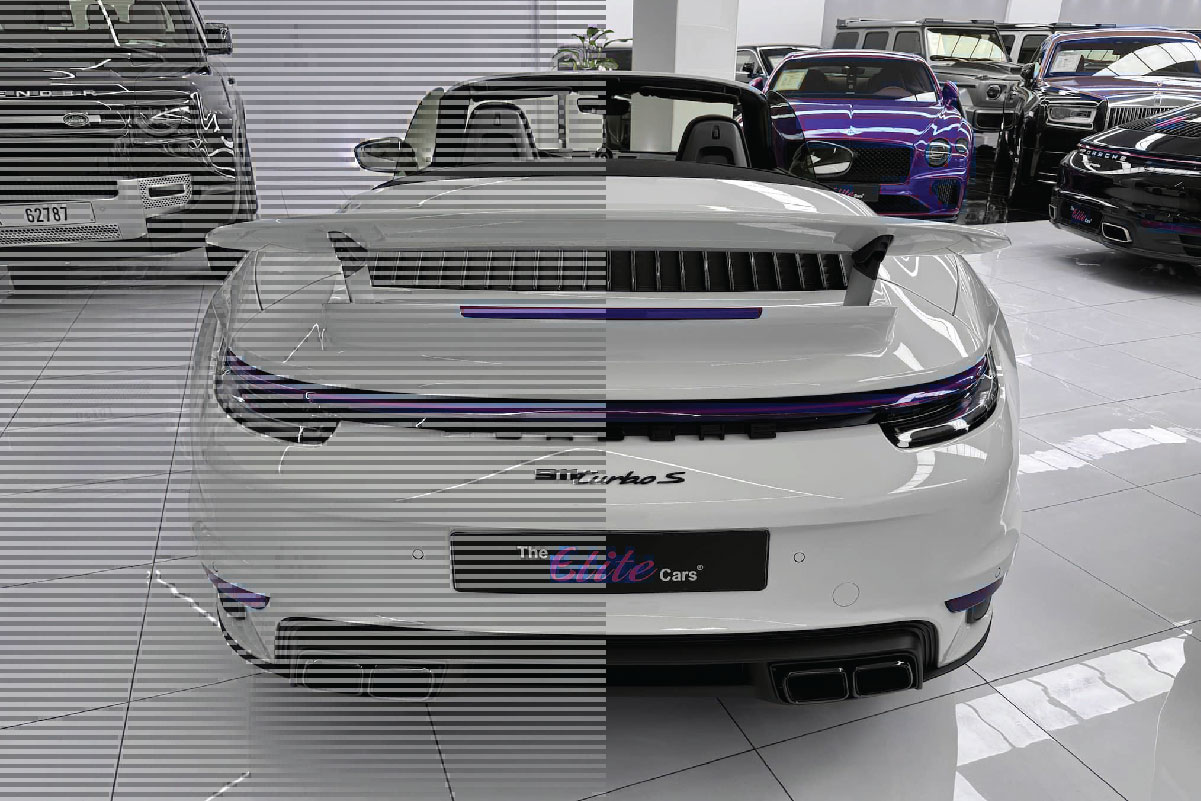
Instagram and TikTok changed car culture forever. The 911 quickly became a visual trophy: timeless lines, endless customization, and that unmistakable rear stance. In cities filled with skyscrapers and polished waterfront roads—such as Porsche Dubai—owners stage the perfect golden-hour photos: whale-tails lifted, LED headlights glowing like jewelry.
YouTube is another chapter. Enthusiast channels document builds, restorations, rally transformations, track battles, and ownership diaries. The 911 isn’t just watched—it’s followed.
Music & Street Culture
Rappers, DJs, and fashion icons name-drop the 911 because owning one is achievement without arrogance. It signals taste, success, and real enthusiast credibility. A Lamborghini screams; a 911 nods knowingly. In style-driven cities—from Los Angeles to the UAE—the 911 fits streetwear and designer suits equally well.
Gaming: Where Dreams Begin
Millions first discovered the 911 not in a showroom but in a video game. Need for Speed, Gran Turismo, Forza Motorsport… each generation of the 911 becomes a lesson in handling and loyalty. Players learn what engineers already knew: this car doesn’t need a wing to fly.
Why the 911 Became a Cultural Symbol
Some cars are bought. A 911 is chosen. It represents:
-
Longevity: 60+ years of the same silhouette evolving with technology
-
Authenticity: It never pretended to be something else
-
Access: It’s a supercar you can live with daily
-
Motorsport DNA: Every model carries a racing ancestry
Because of that, the public builds emotional memory around it. Families remember their father’s 964. Kids chase the Turbo poster on their bedroom wall. Strangers smile when they hear the flat-six howl downtown.
Where the Icon Goes Next
Cinema and pop culture are changing. EV soundtracks replace engine music. CGI replaces real stunts. Yet the Porsche 911 remains relevant because it represents the part of driving humans refuse to lose: feeling.
Even if the future involves electrification, the shape and spirit continue. The 911 isn’t just a character in car culture—it is the narrative itself.
- Trends and Culture
- 08/12/2025