The Porsche 911 has earned its reputation through more than its shape and handling. At the heart of every generation lies a flat-six engine that gives the car its unmistakable character. Over sixty years, Porsche has refined, enlarged, turbocharged, hybrid-enhanced, and re-engineered this engine while preserving its essential qualities. Understanding the different engine options across 911 history helps reveal how Porsche remained committed to its identity while embracing new technology.
This article explores how the 911’s flat-six evolved—from early air-cooled units to modern twin-turbo engines—and why each change mattered.
The Early Air-Cooled Flat-Six: 1960s Fundamentals
The first 911 launched in 1963 with a 2.0-liter air-cooled flat-six. It produced modest power, but it offered a sharp, responsive character unmatched by many contemporaries. Porsche then introduced 2.2-liter and 2.4-liter engines through the late 1960s and early 1970s, each delivering an improved torque band and higher reliability. These engines were mechanical art—simple, light, and acoustically rich.
Their cooling system, relying on forced air and finned cylinders, made them mechanically distinct and instantly recognizable. Even today, collectors value early models for their purity and engineering simplicity.
The 2.7 and 3.0-Liter Era: A Turning Point
The mid-1970s saw the introduction of two significant engines: the 2.7-liter and the 3.0-liter units. The 2.7 is famous for its inclusion in the Carrera RS 2.7, one of the most iconic 911s ever built. With improved airflow, higher compression, and better cooling channels, these engines delivered exhilarating performance and a raw, mechanical soundtrack.
The 3.0-liter engine brought more stability and durability, allowing the 911 to evolve into a more sophisticated sports car. These engines laid the foundation for the explosive power that would come with the introduction of turbocharging.
The Birth of the Turbocharged Engine
In 1975, Porsche revealed the first turbocharged 911 engine in the 930 Turbo. The 3.0-liter flat-six with a single large turbo ushered in a new era of performance. Turbo lag was dramatic, but the sensation of boost transformed the 911’s acceleration into something wild and unforgettable.
By the late 1970s, the Turbo featured a 3.3-liter intercooled engine that delivered greater power and reliability. These engines helped establish Porsche as a global performance leader and influenced everything from racing programs to consumer expectations.
Today, communities like the Porsche 911 Community frequently celebrate the early Turbo lineage, from classic 930 models to later air-cooled Turbo variants showcased at international gatherings and Porsche Events Dubai.
The 964 and 993 Generations: Air-Cooled Perfection
The 964 introduced modern engine management systems, improved injection, and better cooling strategies. It offered displacements up to 3.6 liters, creating a new level of drivability and power consistency.
The final air-cooled engines appeared in the 993 generation, where the flat-six reached its peak in refinement. With Varioram intake technology and optimized airflow, these engines delivered smooth torque curves and stronger low-end response. Many enthusiasts consider the 993’s 3.6-liter engine the greatest air-cooled powerplant Porsche ever made.
The Transition to Water Cooling: A Bold New Direction
The 996 generation marked Porsche’s move to water-cooled engines. This shift was not simply technological—it was necessary. Emissions regulations, thermal stability requirements, and the desire for higher horsepower made water cooling essential.
The first 996 Carrera engines ranged from 3.4 to 3.6 liters and introduced efficiencies previously impossible with air cooling. The 996 Turbo further advanced turbocharging with twin-turbo technology and all-wheel-drive integration, setting the stage for future models.
The 997 and 991: Refinement of Turbocharged Power
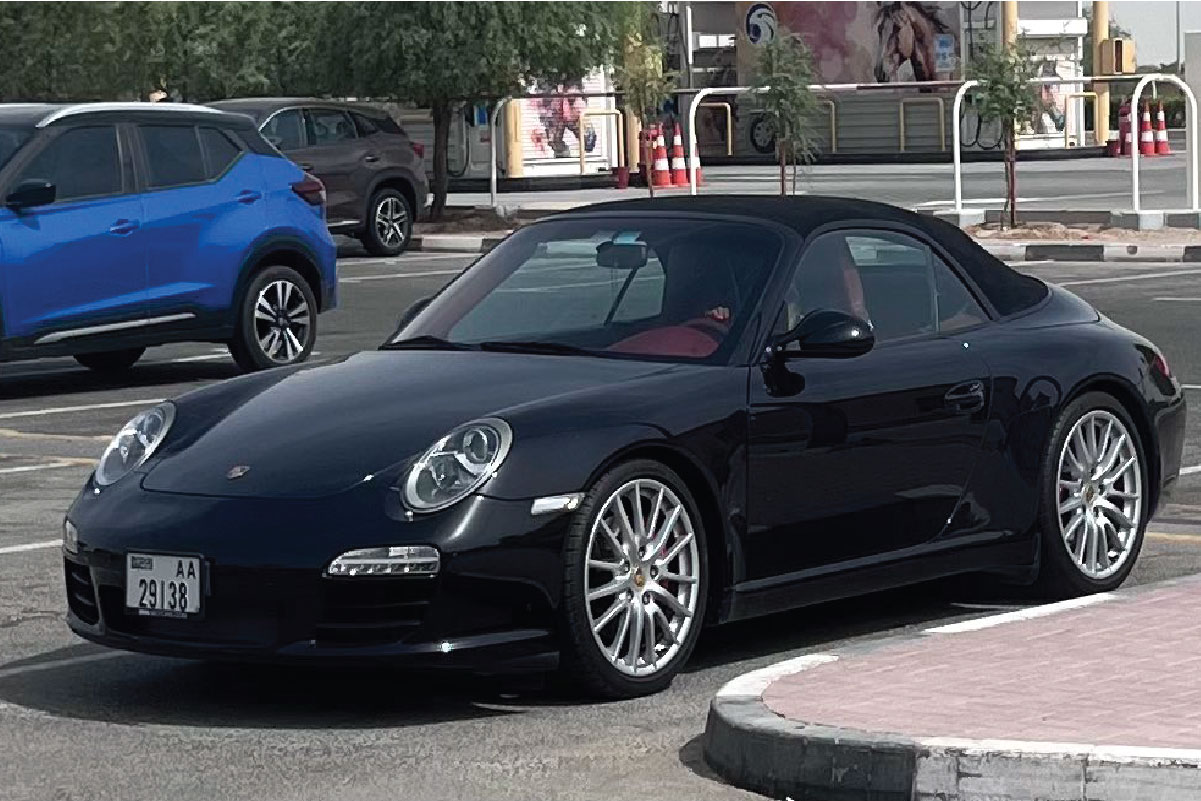
The 997 generation delivered naturally aspirated engines up to 3.8 liters and some of Porsche’s most emotional powerplants, especially in GT3 and GT3 RS models. Meanwhile, turbocharged variants pushed acceleration and top-speed performance deeper into supercar territory.
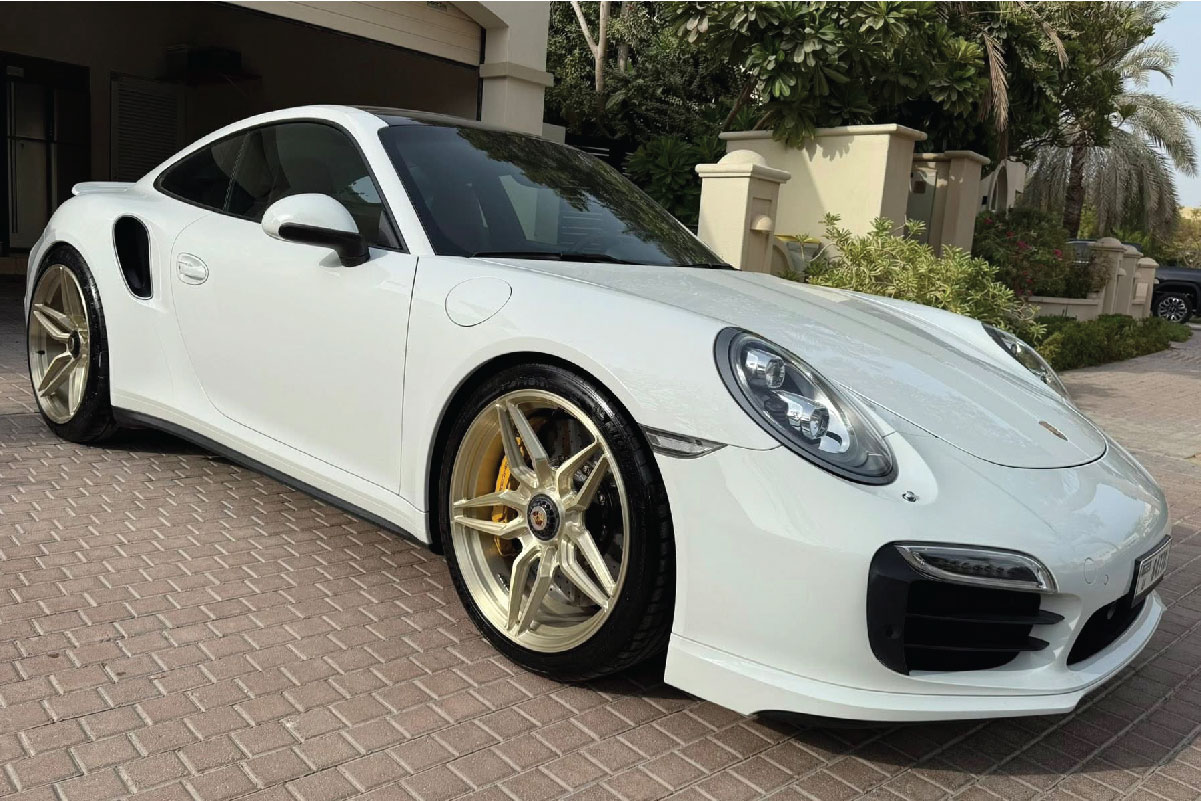
The 991 generation introduced even more advanced engine management, optimized turbocharging in the Carrera lineup, and increased efficiency without sacrificing emotion. The addition of electric steering and modern electronics changed the feel of the 911 but made it more capable and everyday-friendly.
The 992 and 2025 Hybrid Era
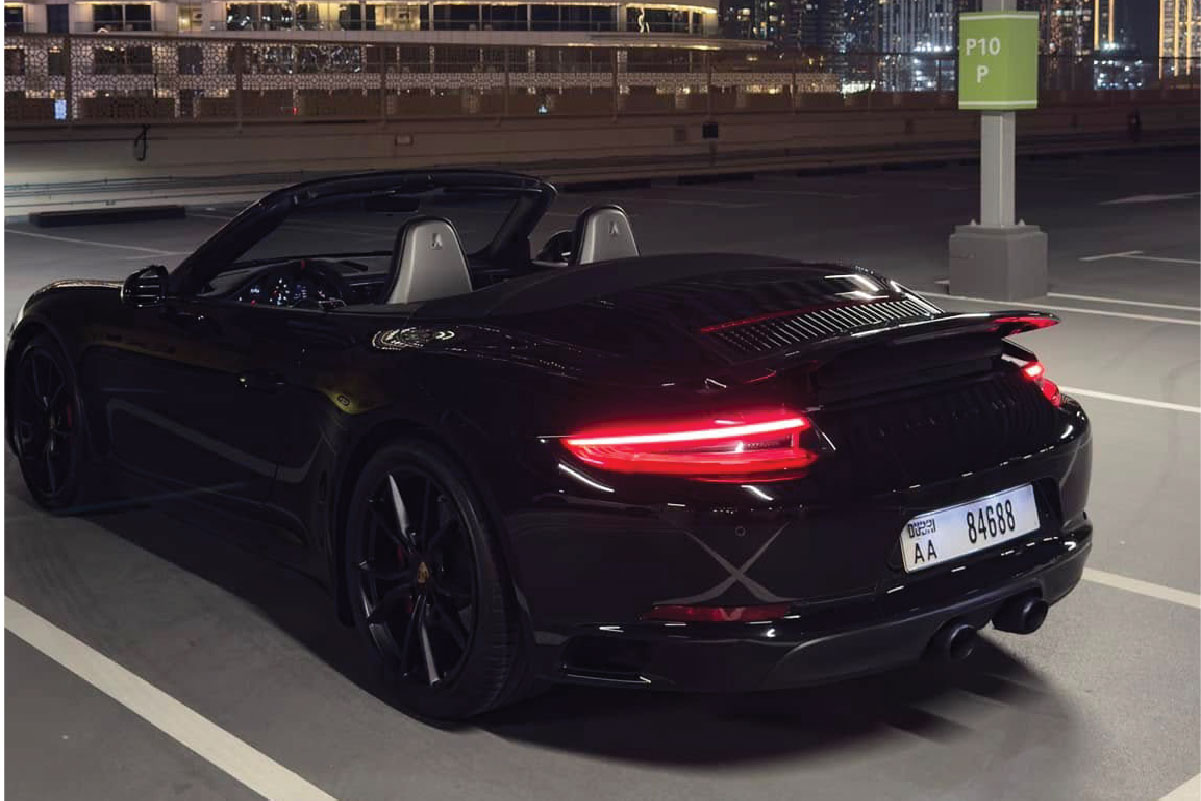
Today’s 992 lineup uses 3.0-liter twin-turbo engines across the Carrera range. Porsche refined response, torque delivery, and cooling to produce effortless performance even in daily driving. High-end models like the Turbo S deliver astonishing acceleration, while the GT3 and GT3 RS continue to embrace naturally aspirated engines for purist appeal.
As Porsche enters the 2025 hybrid era, electrification enhances torque delivery and efficiency without replacing the flat-six identity. Early prototypes reveal sharper low-RPM power and improved thermal stability—advantages perfectly suited for hot climates and performance-focused regions like Porsche Dubai, where owners expect consistent capability year-round.
Conclusion
The history of Porsche 911 engine options is a story of continuous evolution. The flat-six has changed in sound, size, cooling method, and technical complexity, yet it remains at the heart of Porsche’s identity. Each generation reflects the demands of its time, and the future promises even more innovation as hybrid technology integrates seamlessly with traditional engineering.
From air-cooled classics to modern turbocharged masterpieces, the 911’s engines define its soul—and will continue to do so for generations to come.
- Performance and Specs
- 07/12/2025