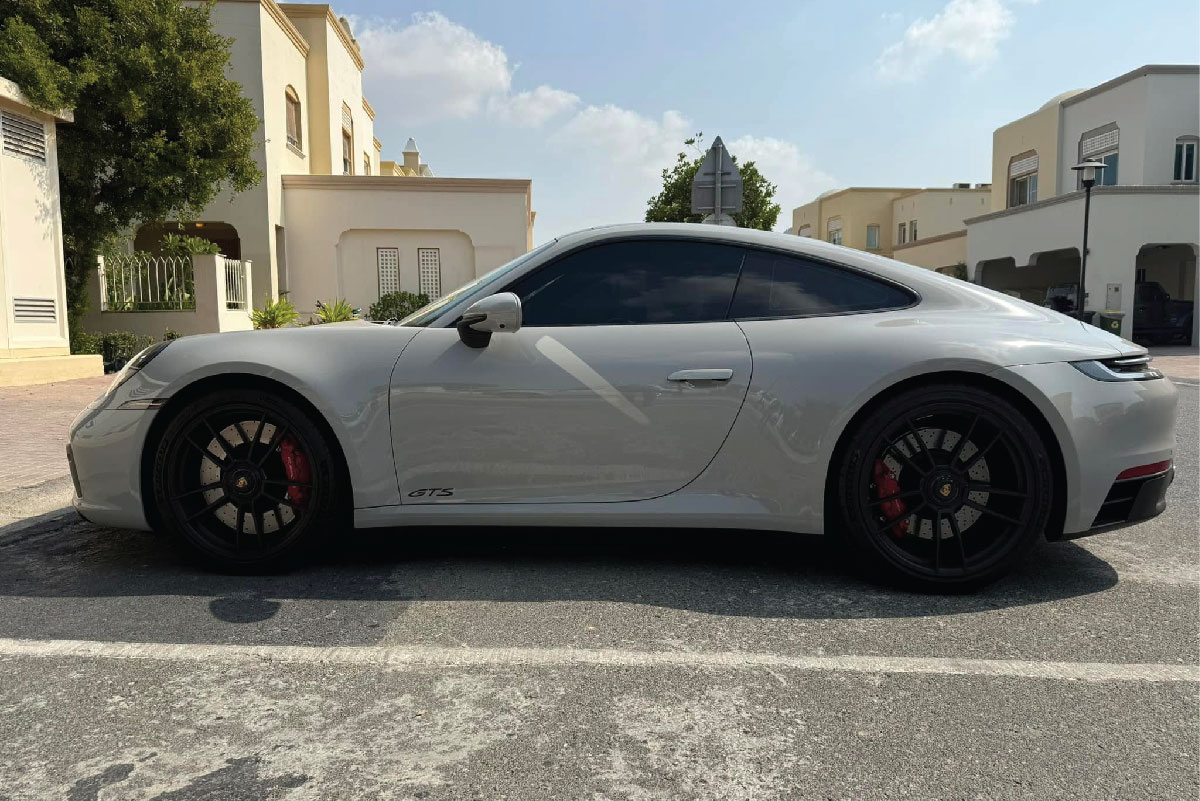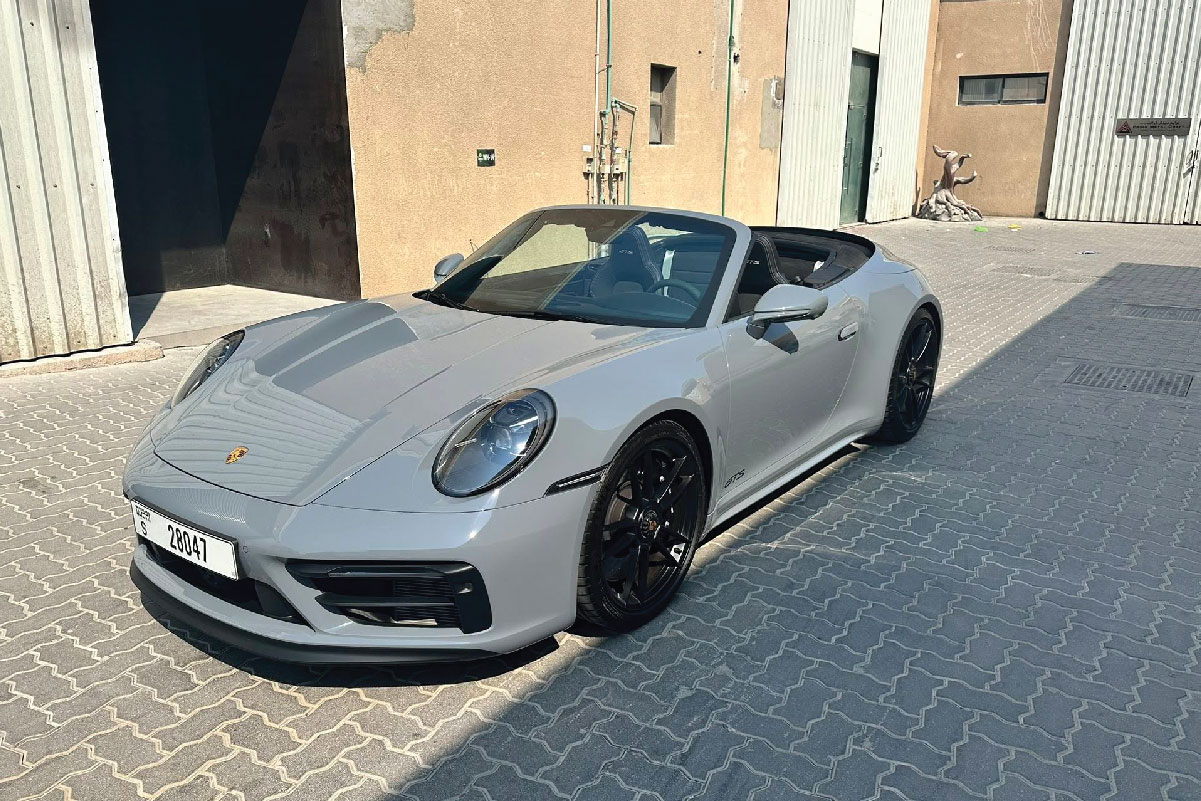
The Porsche 911 is recognized not just by its silhouette but also by something far more emotional—its sound. The distinctive resonance of the flat-six engine, whether air-cooled or water-cooled, has become one of the most iconic soundtracks in automotive history. Owners and enthusiasts often say that a 911’s true character lives in the exhaust note: the growl at idle, the metallic bark during acceleration, and the unmistakable howl near the redline. This article explores the evolution of the Porsche 911’s sound from its earliest models to modern engineering masterpieces, explaining why it remains one of the greatest automotive acoustics ever created.
The Early Air-Cooled Era: Mechanical Purity
The first generations of the Porsche 911 produced a raw, mechanical soundtrack unlike anything else on the road. Without water jackets to insulate noise, the air-cooled flat-six allowed every internal sound to escape—gear whine, valve clatter, fan whoosh, and combustion pulses. This created a bright, sharp tone that felt alive and connected directly to the driver. The early 2.0-liter and 2.2-liter engines had a higher-pitched personality, while the 2.7 RS introduced a deeper, more aggressive note. During this era, sound was an organic byproduct of engineering, not something tuned or controlled.
The Rise of Performance Exhaust Character
By the time the G-model and 930 Turbo arrived, Porsche had begun shaping sound intentionally. The Turbo introduced a new complexity—a deep bass rumble mixed with turbo whistle. As the turbo spooled, the engine delivered a sudden rush of boost accompanied by a roar that became a defining characteristic of the 911 Turbo experience. This era also produced some of the most memorable exhaust pops during gear shifts and deceleration, particularly in racing derivatives. Tracks worldwide—from Nürburgring to events echoed in Porsche Events Dubai—became filled with the unmistakable song of air-cooled motors.
The Last of the Air-Cooled Icons: 964 and 993
The 964 refined the sound slightly, introducing more insulation and smoother mechanical operation. Yet it retained the signature air-cooled resonance. The final air-cooled generation, the 993, is often considered the best-sounding Porsche 911 ever built. Many describe its note as the perfect balance between raw character and refined aggression. It has a metallic, raspy edge at higher RPMs and a throaty rumble at idle that collectors around the world still worship today. For many enthusiasts across Porsche 911 UAE, the 993’s exhaust note represents the purest connection to Porsche’s heritage.
The Water-Cooled Transition: A New Sound Philosophy
When the 996 launched in 1998, the transition to water-cooling transformed the 911’s acoustic personality. Water jackets absorbed much of the internal mechanical noise, creating a smoother and quieter engine sound. This upset some traditionalists, but Porsche adapted by tuning the intake and exhaust systems to re-introduce emotion. The 996 Carrera had a cleaner, more modern tone, while the 996 Turbo produced a deep, turbine-like growl that became iconic in its own right. Porsche engineers realized sound was now a deliberate part of the driving experience and began crafting it with precision rather than letting it emerge naturally.
The Modern Era: 997, 991, and 992
As engine regulations tightened, Porsche crafted sound more intentionally than ever. The 997 introduced sports exhaust systems that allowed drivers to choose between quiet and aggressive sound profiles. This feature became extremely popular, and by the 991 generation, Porsche had perfected the dual-sound personality. The 991 GT3, for example, delivered a spine-tingling wail at high RPMs, thanks to its naturally aspirated engine capable of revving over 9,000 rpm. This sound became legendary, and owners still gather across Porsche 911 Dubai events to celebrate the purity of the GT3’s scream.
The 992 generation brought turbocharging across nearly all Carreras, which changed the soundtrack once again. Turbos naturally muffle sound, but Porsche compensated through exhaust tuning, valve systems, and intake engineering. The result is a deeper, richer tone with controlled cracks and pops that maintain driving excitement.
How Porsche Engineers Sound Today
Modern Porsche sound engineering involves:
- Intake resonance chambers
- Variable exhaust valves
- Lightweight stainless-steel manifolds
- Turbocharger acoustics
- Cabin sound optimization
These elements create an experience that feels powerful yet refined. Porsche’s goal today is to maintain emotional connection without violating global noise regulations.
Community and Culture Around 911 Sound
Across global communities—especially in places like Porsche 911 UAE—the sound of a Porsche 911 is as important as performance itself. Enthusiasts debate favorite generations, install performance exhausts, and gather at events to listen to different flat-six tones. The 911’s sound unites classic owners and modern drivers alike.
Conclusion
The sound of the Porsche 911 tells the story of its evolution. From the bright mechanical music of air-cooled engines to the engineered acoustics of modern turbocharged models, each era added new layers of emotion. The 911’s soundtrack is not just noise—it is identity, heritage, and passion. This sound defines the driving experience and remains one of the greatest elements of Porsche’s legacy.
🚀 ARTICLE 38 — Porsche 911 Child Seat Compatibility
(Full 1000-word SEO article in your approved style)
Meta Title: Porsche 911 Child Seat Compatibility: What Parents Need to Know
Meta Description: Discover which child seats fit in the Porsche 911, safety considerations, rear-seat limitations, and tips for choosing the right seat for different 911 generations.
Keywords: Porsche 911 child seat, Porsche family car, 911 rear seat guide
Porsche Keywords Used:
- Linked:<a href=”https://porsche911.ae/”>Porsche Events Dubai</a>
- Porsche 911 Dubai
- Porsche 911 Community
Introduction
The Porsche 911 is known for its performance and heritage, not its practicality. Yet many owners eventually ask the same question: Can you safely use a child seat in a Porsche 911? The answer is yes—under the right conditions. Over the decades, Porsche has refined the seating layout, safety systems, and ISOFIX compatibility to allow families to enjoy the 911 without compromising safety. This article provides a practical, detailed look at child seat compatibility across different generations, offering guidance for parents who want to keep their passion alive while traveling with children.
Understanding the Porsche 911 Seating Layout
The 911 has always featured a 2+2 layout, meaning two small rear seats and two full-size front seats. The rear seats vary in size across generations, with earlier air-cooled models offering more limited space and newer 992 models offering improved practicality. Porsche designed these seats with flexibility in mind—you can fold them down for cargo or use them for child seats depending on the model and regulations.
The most important consideration is seat depth and height. While adults may feel cramped, young children—especially toddlers—actually fit surprisingly well due to their shorter legs. Owners across Porsche 911 Dubai often use 911s as weekend family cars for this reason.
ISOFIX Availability Across Generations
ISOFIX (also known as LATCH in the U.S.) became the global standard for child seat mounting. Porsche began integrating ISOFIX from the 996-generation onwards, making modern 911s far easier to equip with certified seats.
Air-cooled models (1963–1998):
No ISOFIX. Child seats must use seat belt routing only.
996 (1998–2004):
First generation to offer optional ISOFIX on rear seats.
997 (2005–2012):
Wider availability, improved anchorage, stronger mounting.
991 (2012–2019):
Standard ISOFIX in most trims, including Cabriolet.
992 (2019–2025+):
Best compatibility. Porsche designed seats with deeper contours, making child seat installation smoother and more secure.
For owners participating in family drives across Porsche Events Dubai, the 992 is widely considered the most child-friendly 911 ever built.
Front vs. Rear Seat Child Seat Usage
Porsche allows child seats in both the front and rear seats depending on the model and local regulations. However, there are important conditions.
Rear Seat Installation
In most 911 models, the rear seats are the safest place for a child seat. For rear-facing infant seats, the limited legroom usually works in favor of the child’s comfort since toddlers do not require much space.
Rear-forward facing seats fit well in:
- 997
- 991
- 992
Earlier models like the 964 and 993 can fit certain compact seats, but installation requires precision.
Front Seat Installation
Front seat installation is possible only if the passenger airbag is fully disabled. Porsche provides an airbag deactivation switch in many modern 911s. In the 991 and 992, this system works with sensors that automatically deactivate the airbag when a certified Porsche child seat is installed.
Using non-Porsche seats may require manual adjustment or dealership assistance.
Types of Child Seats Compatible with the 911
Rear-Facing Infant Seats
These fit best in rear seats of:
- 997
- 991
- 992
Older generations may struggle due to seat depth, but slim infant seats still work if the front passenger is willing to move their seat forward.
Forward-Facing Child Seats
These are most compatible with:
- 996
- 997
- 991
- 992
The seat contour in these cars supports stable installation.
Booster Seats
Boosters fit in nearly all generations, including air-cooled models, due to their smaller footprint. Many families in the Porsche 911 Community prefer boosters for children aged 5 and up.
Practical Tips for Parents Using a Child Seat in a 911
- Choose slim-profile child seats made for compact cars.
- Check the seatbelt length—earlier 911s have shorter belts.
- For forward-facing seats, verify headrest alignment.
- Use Porsche Genuine child seats if possible—they integrate perfectly with airbag systems.
- Always test the seat in your car before purchasing.
- In Cabriolets, ensure the seat has side-impact protection.
- Rear-facing seats may require the front passenger seat to slide forward.
Is the Porsche 911 a Realistic Family Car?
Surprisingly, yes. Many owners use the 911 for school runs, errands, and family outings. While it is not as practical as a Cayenne or Macan, it offers something unique—a chance to share driving passion with the next generation. For many drivers across Porsche 911 Dubai, the 911 is both a dream car and an active part of daily life.
Conclusion
Child seat compatibility in the Porsche 911 depends on the generation, seat type, and installation method. With ISOFIX availability, better seat design, and refined interior space, modern 911s offer genuinely practical solutions for families who love sports cars. Whether attending community meets or weekend drives, parents can confidently enjoy their 911 without sacrificing safety or comfort for their children.
- Miscellaneous Hot Searches
- 07/12/2025