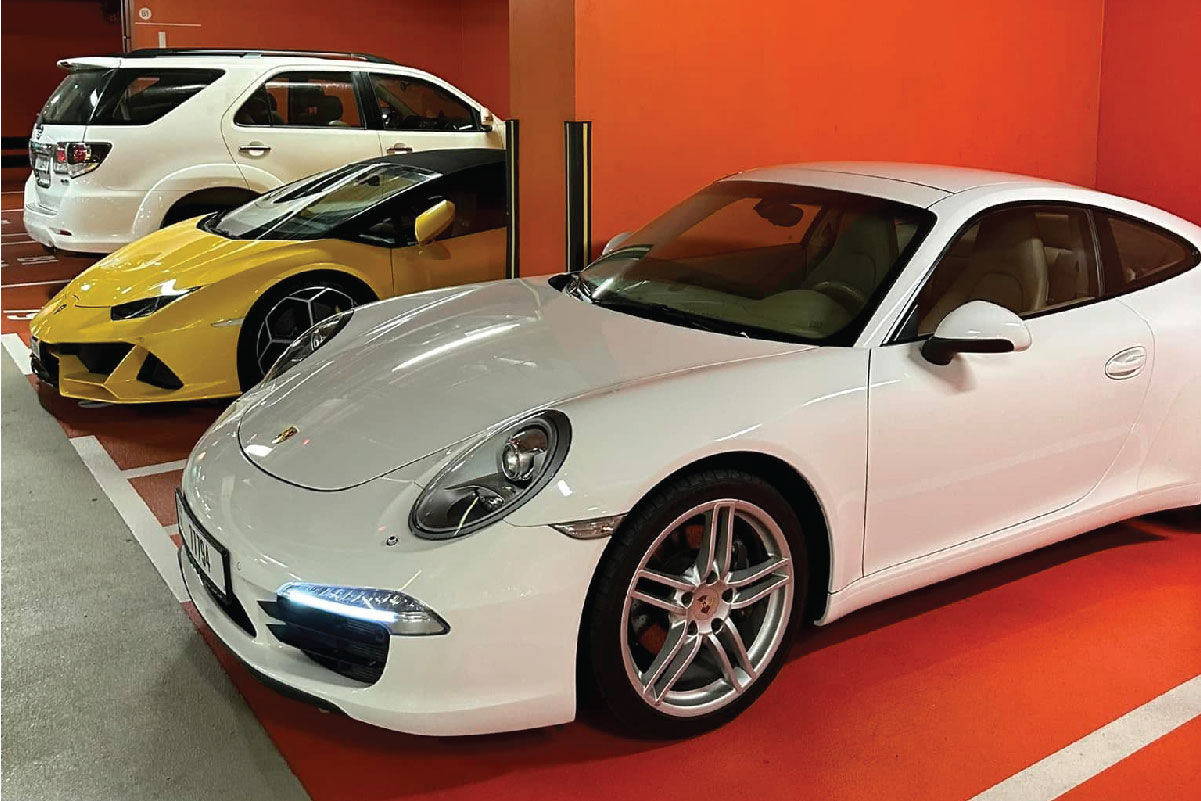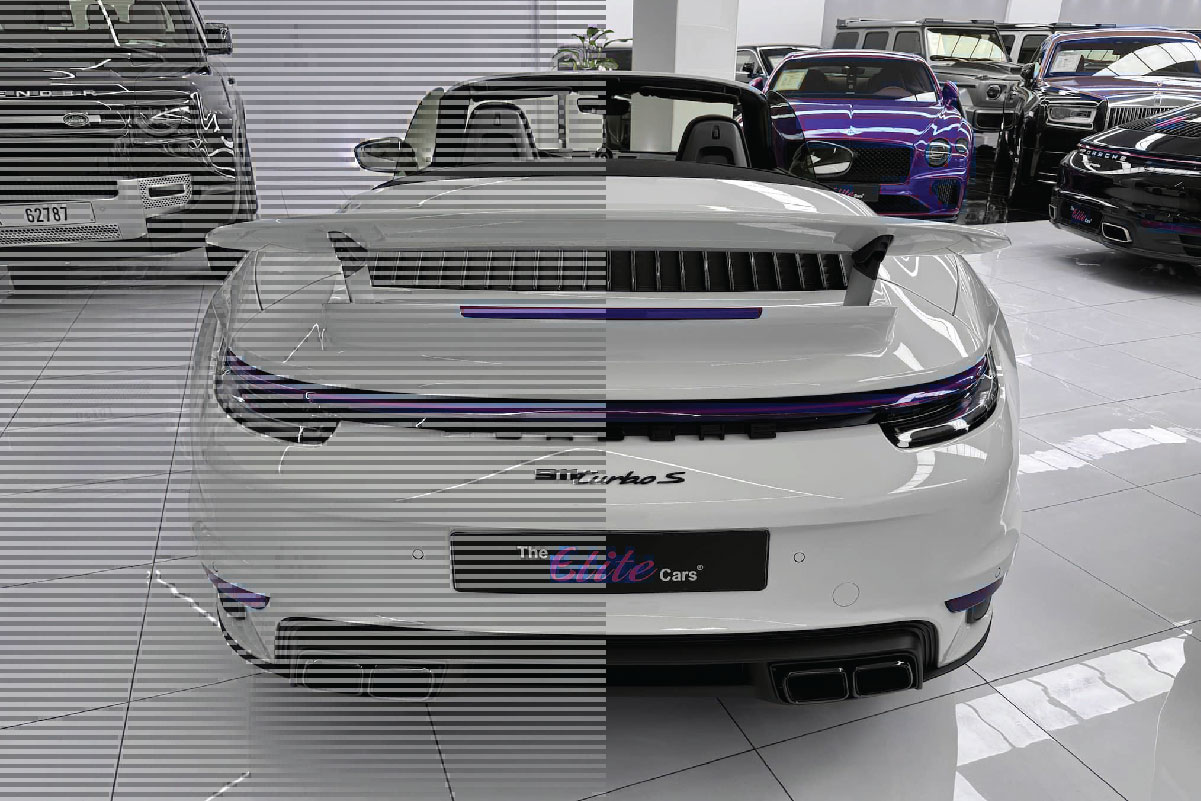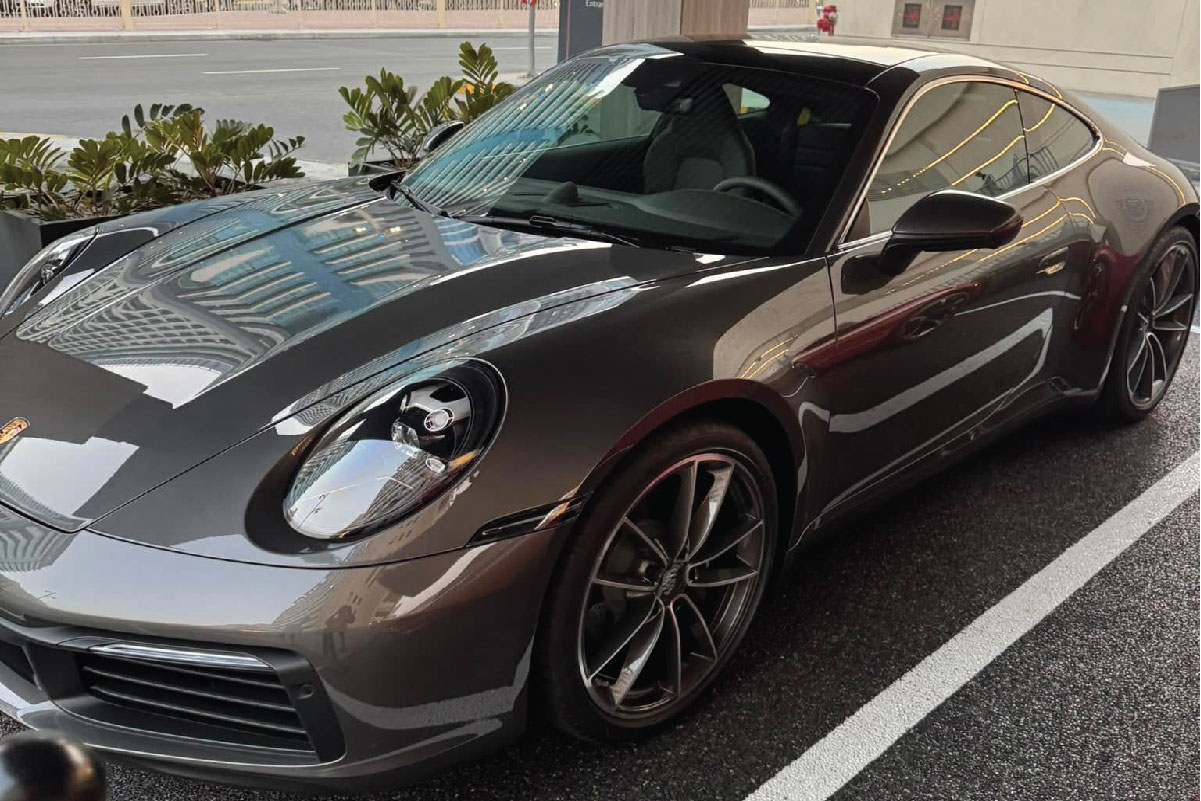
Few automotive rivalries stir as much passion as the quiet war between the Porsche 911 and the Nissan GT-R. They represent opposite philosophies: one built on decades of refinement through evolution, and the other on high-tech disruption that arrived with shocking force. One is the perfectly balanced scalpel. The other, a heavyweight punch. When enthusiasts debate which is greater, they’re not just comparing lap times—they’re arguing about two very different visions of speed.
The Essence of a Legend: What Makes a 911 a 911?
The Porsche 911 has been in continuous production for more than sixty years. That alone sets it apart. The shape, the rear-engine layout, the flat-six heartbeat—these elements were not abandoned but perfected over generations. A 911 carries heritage in its sheet metal: the same curved roofline, the stubborn rear weight bias turned into an engineering advantage, a chassis honed through Nürburgring torture and Le Mans victories.
Drivers love the 911 not for how it looks on paper, but for how it feels in motion. A GT3 RS at full throttle isn’t just quick—it’s alive. The steering speaks. The brakes talk back. The car rewards precision, not brute force. Enthusiasts across <a href=”https://porsche911.ae/”>Porsche 911 Dubai</a> know this feeling well. The 911 doesn’t make speed easy. It makes speed meaningful.
The GT-R Revolution: Japan’s Supercomputer on Wheels
Then came the Nissan GT-R. When it arrived in 2007, it practically detonated the supercar world. It didn’t ask permission—it humiliated established giants. Zero-to-100 km/h times once reserved for hypercars became standard. All-wheel drive, active diffs, launch control, and aggressive electronics turned the GT-R into a supercar accessible to mortals. Where the 911 asked to be mastered, the GT-R simply delivered results.
If the 911 was a violin, the GT-R was a synthesizer. The GT-R democratized performance. In markets with extreme climate like the Middle East, especially among collectors in Porsche 911 UAE circles, the GT-R built a reputation as a weapon for drag strips and street battles. It wasn’t elegant. It was effective.
Tradition vs. Technology: Philosophy on the Track
The 911 is born from the racetrack. Porsche never built a supercar and then decided it could race; the brand raced, and those lessons shaped the road cars. The GT-R’s origins are different. It was engineered as a statement: Japan could beat Europe at their own game. Its engineering came from simulation, digital modeling, and processing power.
On a circuit, a 911 rewards consistency and finesse. A GT-R extracts lap time through software brilliance. A driver improving in a GT-R learns the car’s systems. A driver improving in a 911 learns themselves. That difference is philosophical. Owners in communities like Porsche 911 Community describe the 911 experience as “a mirror.” The car doesn’t do the work for you. It simply makes you better.
Evolving Icons: Which Ages Better?
Both cars have aged, but not in the same way. The 911 gained power, hybrid planning, sharper aerodynamics, and advanced chassis tuning—without losing its soul. In contrast, the GT-R has not had a full generational change since its debut. It’s been updated, yes, but the original concept is now showing its age. Technology that once felt futuristic now feels heavy. Its brute-force approach stood still while the world learned its secrets.
Porsche’s brilliance is evolution. Nissan’s brilliance was disruption. Disruption is dramatic, but evolution wins in the long run.
Ownership, Value, and Culture
Buying a 911 is often an emotional decision. Owners customize builds, pick colors that reflect personality, and keep cars for decades. Resale values remain strong, especially for GT3, Turbo S, and heritage editions. A GT-R, in contrast, is bought for performance per dollar. It became a cult car, but not a collectible in the same way. Its value lies in shock factor, not timelessness.
This is where legacy matters. A 911 connects generations. A GT-R inspires a moment.
Which One Wins the Legacy Battle?
Judging by speed alone misses the point. The GT-R is thrilling, brute-force speed distilled into a technological achievement. The 911 is enduring, refined through decades of racing obsession and engineering maturity. One rewrote the rules. The other wrote them in the first place.
The GT-R remains one of the most iconic Japanese supercars ever created, but the 911 stands on a different plane. Its legacy isn’t tied to dominance. It is tied to continuity. And when the world looks back a century from now, the Porsche 911 will not just be remembered as a fast car—it will be remembered as a philosophy.
- Comparisons and Rivals
- 08/12/2025