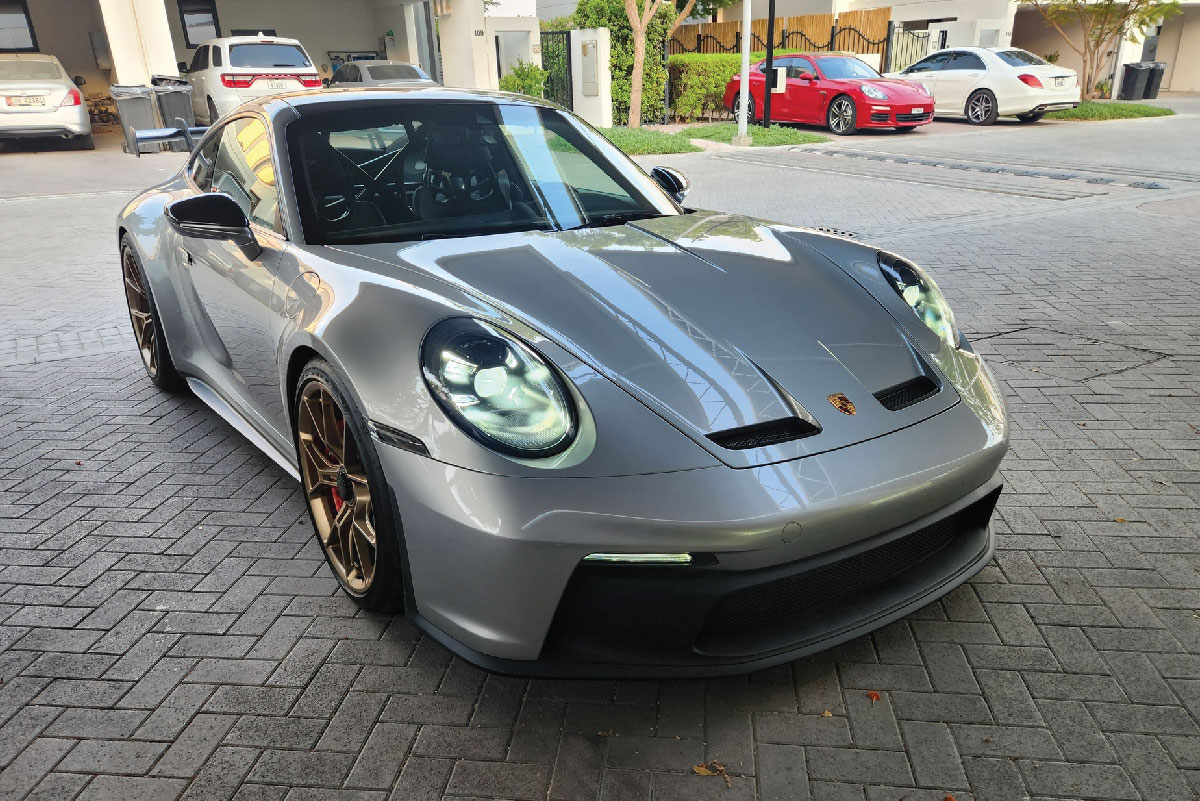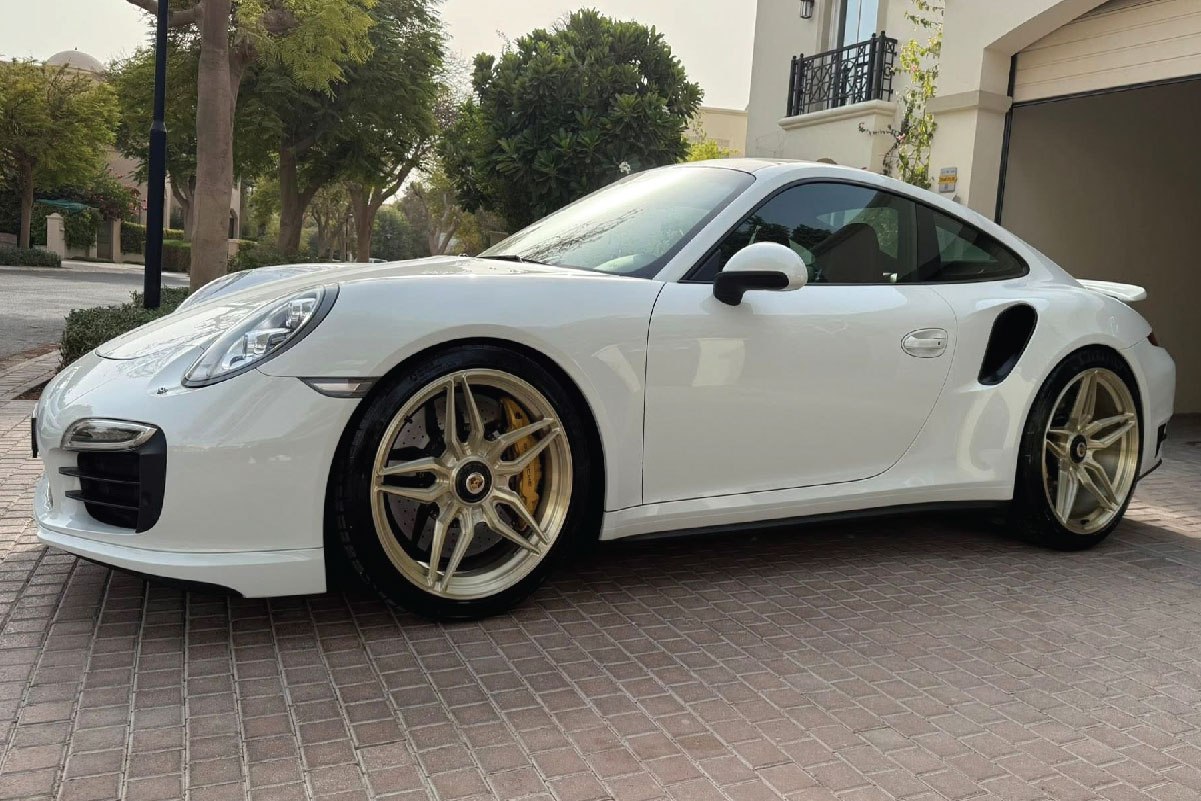
Buying a used Porsche 911 is a dream for many enthusiasts, but it’s a decision that requires careful evaluation. The 911 is a high-precision performance machine, and properly maintained examples can last decades. However, neglect, improper servicing, or hidden mechanical issues can turn ownership into an expensive challenge. Whether you’re shopping for a classic 964, a modern 992, or something in between, understanding what to look for ensures you choose a car that delivers both excitement and long-term reliability.
Understanding the Importance of Service History
One of the first things any buyer should examine is the vehicle’s service history. A Porsche without documented maintenance is a red flag. The flat-six engine, whether air-cooled or water-cooled, is engineered with tight tolerances and depends on regular oil changes, proper coolant management, and consistent inspections. Look for records from official dealerships, respected independent Porsche specialists, or well-known workshops in active enthusiast regions like Porsche 911 Dubai or communities associated with the Porsche 911 Community.
A complete service book indicates responsible ownership and significantly reduces your risk.
Engine Condition: The Heart of the 911
A hallmark of the 911 is its engine layout, but this also means certain checks must be prioritized. Air-cooled engines require assessment of valve guides, oil leaks, and cooling adequacy. Water-cooled engines need examination of coolant channels, thermostat condition, and radiator cleanliness. Even modern turbos require inspection of boost pressure behavior and turbo housing seals.
Listening for unusual noises—tapping, knocking, hissing—is crucial. The engine should idle cleanly and rev smoothly without hesitation. Many buyers schedule a borescope inspection on 997 and 991 engines to rule out scoring issues.
Transmission Health and Driving Feel
Porsche transmissions are known for durability, but they must be evaluated properly. Manual cars should shift smoothly, without grinding or stiffness. PDK models should engage gears crisply, with no delayed response or harsh downshifts.
If the car feels reluctant to engage reverse, clunks during shifts, or vibrates under acceleration, further inspection is necessary. Well-maintained PDK gearboxes are exceptionally reliable, making them popular even in high-heat regions that host Porsche Events Dubai where performance driving is common.
Suspension and Steering Examination
The 911’s handling precision relies heavily on suspension condition. Worn bushings, aged shocks, or leaking dampers can dramatically change the car’s feel. Inspect the car for uneven tire wear, steering play, or clunks over bumps. The rear-engine layout means suspension must be perfectly aligned for stable driving, especially in older models.
A test drive should reveal tight, confident steering and a planted feel through corners.
Brakes and Wheels: Critical for High-Performance Cars
The braking system is one of the most easily overlooked elements during a used-car purchase. Porsche brakes are strong and fade-resistant, but rotors and pads wear faster on performance-driven cars. GT and Turbo models often use ceramic brakes that require detailed inspection due to replacement cost.
Wheels should be checked for cracks or bends—common on cars driven aggressively or lowered.
Bodywork, Accident History, and Rust Assessment
Porsche 911 bodies are well made, but older models, especially air-cooled ones, can suffer from rust in specific areas: fender lips, battery tray, door sills, suspension mounts, and around the rear window. Water-cooled models are more resistant but still vulnerable to poorly repaired accident panels.
A paint meter test can reveal hidden repairs. Gaps between panels should be symmetrical, and the car should drive straight without pulling to one side.
Electronics and Interior Systems
Modern 911s have complex electronics, from climate control systems to infotainment and safety modules. While Porsche electronics are generally reliable, malfunctioning sensors or outdated software can cause warning lights or inconsistent performance.
During inspection:
- Test all seat adjustments
- Check infotainment responsiveness
- Verify climate control temperature accuracy
- Look for dashboard warning lights
A pre-purchase diagnostic scan is recommended for models after the year 2000.
The Importance of a Professional PPI
A Professional Pre-Purchase Inspection (PPI) is essential for any used Porsche 911 buyer. A qualified Porsche specialist will evaluate engine compression, check for oil leaks, scan electronic modules, and assess underbody condition. The cost of a PPI is minimal compared to potential repair expenses.
Conclusion
Buying a used Porsche 911 is an exciting decision, but the key to long-term satisfaction lies in selecting the right car with the right history. By examining service records, engine condition, transmissions, suspension elements, bodywork, and electronics, you significantly improve your chances of owning a reliable and enjoyable 911. With careful inspection and the help of specialists, your dream Porsche can deliver years of thrilling performance.
- Buying and Ownership Advice
- 07/12/2025